STPro is rolling out Cirque style bar training tips. The beginning Bar Trick is a simple walkover to handstand line hold. This trick on the parallel bars trains for the perfect handstand line – and is an amazing cross train for all athletes. And it is a lot easier than it looks – the trick is trying it slowly a couple times – and starting with the walkover instead of a tuck jump or lever up.
The biggest trick of all – stay focused and have fun. Don’t overthink it – and give yourself several tries over a couple days until your body gets the hang of it.
The second Basic Bar is a bent arm hold to pike pullup. Here are some most useful talking points that are make or break for really getting the hang of this move – and all this crazy bar stuff.
These two moves tend to keep folks busy for awhile. More to follow from STPro in a longer post once the full video series evolves into a longer flow – that ends in the full front and back levers!
“The Dude Abides” – The Dude. For everyday use – meaning – when you do your own thing. As contrast with following the madness of crowds. Image: The Big Lebowski
Once STPro’s financial advisor asked a conversation starter question… So, What’s Your Favorite Investment? After a brief pause, STPro’s answer was: Myself. Luck may come and go, markets may come and go and business conditions may come and go. But there is one thing one thing that must stay the course, maximize total return and last through retirement: physical health, strength, mental clarity and stamina.
Investments are graded on their balance sheet health and forward looking growth potential. To realize returns over time, quality advice and disciplined self-management of resources are essential. Following the madness of the markets and trendy too-good-to-be-true asset bubbles quickly leads to below average returns – or outright massive losses. To pick any good investment, it is typical to apply a screen. This weeds out the plethora of competing assets all vying for your investment. And the same approach works well for exercise conditioning: weed out the low-grade advisors, pick a plan based on quality and grow your personal “net-worth” with disciplined practice and focus on building your assets over time.
Like the investment markets, Youtube has a plethora of “investment opportunities” for our time and effort. In the early days, mostly established athletic institutions provided quality content based on their established training practices. But these may lack the glitter and appeal of the false promises of the new generation of Youtube-Exer-tainment Industry. With so many potential viewers and revenue generating opportunities, Youtube is now awash in a sea of “experts” with access to cool looking urban gyms with hip graffiti, hi-res digital cameras and the sound of banging weights in the background… And just like Wall Street, they may look the part and talk a pretty fancy line, but keep in mind the saying on Wall Street: these guys are experts at playing with other people’s money. And in the Youtube Exer-tainment world, these guys are experts at playing with other people’s health. Your most vital and important asset.
Just like the investing field, popular may not always be profitable. Research is essential to identify investment opportunities. But research for quality channels is time-consuming and made more difficult by Youtube search rankings driving results by “popular opinion”. In other words, increasingly, Youtube searches often reveal a bewildering array of splashy, attention getting ad-revenue generating Exer-tainment (exercise entertainment).
To weed through the madness, as with investments, STPro applies a screening criteria.
Quality Self-Investment Screening Criteria:
Verifiable and Appropriate Credentials
Builds Total Body Athleticism (not a vanity channel)
Athletic Focus on Health – Including Cross-Training for Body Balance
Demonstration Quality & Technical Precision
Integrity & Commitment to a Quality Brand Channel
After viewing thousands of hours of some pretty awesome – and some pretty lame channels, STPro recommends the following Top 3 Channels for athletes who are disciplined investors who would appreciate and benefit from quality exercise consultations.
In alphabetical order by brand name…
ATHLEAN-X(TM)
STPro recommends this channel for: 1. all athletes who weight lift for cross-training; 2. all rotational sports athletes, especially baseball and tennis as essential resource for rotational sports skill conditioning; 3. athletic individuals who do not play a sport but seek well-rounded, challenging training for health and physique.
Athlean-X(TM) Back Story: Content created by Jeff Cavaliere MSPT, CSCS. Jeff served as both the Head Physical Therapist and Assistant Strength Coach for the New York Mets during the National League East Championship 2006, 2007 and 2008 seasons. He is a Certified Strength and Conditioning Specialist by the National Strength and Conditioning Association (NSCA).
Advantages
Anatomy & Physiology Essentials: Provides accurate, jargon free and expert discussion of common joint issues. Essential knowledge for athletes in training. Addresses common athletic questions and debunks Gym Myths along the way.
Breadth of Weight Training: It will be difficult to find a weight training move not covered with solid technical advice. The challenge will be searching the channel to find the move. This is covered below in Dis-Advantages.
Coverage of Popular Bodyweight Trends with Benefits, Training Progressions & Risks: The channel is inclusive of popular moves such as muscle-ups and levers. Risk-reward for these moves are covered where appropriate. Progressions are well-presented and creative in use of gym or home equipment.
Myth Busting: This channel will directly challenge myths and bad training advice proponed in heavily commercialized channels. Includes diet and supplement mythology.
Iron Graveyard: Provides specific detail on updating and outdating some weight training moves that may cause harm. Avoids too much detail – provides just enough so that athletes are able to manage their own training.
Bodyweight Programming: The website offers calendar based, well-documented training programming. STPro recommends this online programming to friends and family. It provides well-balanced programming, requires no gym membership and is focused on total athletic health. Further, the programming emphasizes getting out of the gym for healthy movement and in addition to two strength days, includes field days for essential high-intensity Vo2 Max training including running drills or boxing or skipping rope etc.
(BTW, there is a “women’s channel” which STPro has not tested. STPro recommends the ladies get a pull-up band assister thingy and do the man’s workout on Athlean-X(TM). Why? Because your bones and muscles run the same way. So no excuses honey. Put that pink dumbbell down and let’s see your deadlift. STPro’s professional opinion of Youtube’s plethora of “Chic Fitness” channels: a sexist insult. STPro varies the sets, reps and weight levels for women: but not the movements. STPro in practice applies more variation in training program by bone structure, history of athletic training and goals than by gender.)
Disadvantages
Heavy Handed Almost Unbearable Marketing Schpeel is Aimed at Young Males Who Want to Get Huge: In addition to the marketing style, all of the programming sets and reps cater to hypertrophy only. For athletic goals, often training needs to focus on strength, endurance and skill over mass – so viewers/program users need to adjust their sets & reps on their own. It seems that the more recent videos are becoming more and more mainstream “gym fitness” and “get huge” and the already thick hype is getting thicker. But STPro urges everyone to bear with it. The quality is still there – so it is worth being patient with Athlean-X’s obnoxious marketing to realize they gotta make a buck too.
A companion resource for understanding periodization for athletic training and managing your own cycles of weight levels, sets and reps by goal: Periodization Training for Sports Cover excerpt: “In this new edition of Periodization Training for Sports, Bompa teams with strength and conditioning expert Carlo Buzzichelli to demonstrate how to use periodized workouts to peak at optimal times by manipulating strength training variables through six training phases (anatomical adaptation, hypertrophy, maximum strength, conversion to specific strength, maintenance, and tapering) and integrating them with energy system training and nutrition strategies.” A solid read for every person – not just competitive athletes and coaches. A worthy investment in your best asset: Your Health.
Marketing Titles Make it Hard to Find the Right Training Tip: To drive view traffic for a youtube mainstream audience, most of the channel’s super great training tips are re-positioned from athletic goals into gym fitness goals of “doing more reps” and “getting huger”. While these claims are certainly true, the origin of the training tips Jeff teaches is the field of athletic performance. Those goals would be things such as running faster, hitting a ball further, resisting injury and being really good at skill-based things.
But, it is what it is. Everyone has to play the game to survive. And, sadly, the biggest part of the American fitness market is vanity. In the investment markets, this is a short-run return Las Vegas style of gambling: it may pay off big in the short run, but in the long run, only the house wins. Or as the beloved character Dom Mazetti puts it, “Win-timidation” over Skill. You may look good – but when times get tough, you couldn’t fight your way out of a wet paper bag. Or even run away very fast.
Fictional Gym Humor character Dom Mazetti with (real life athlete) Terence Crawford. Terence Crawford (born September 28, 1987) is the current WBO junior welterweight champion. As of June 2016 he is ranked by The Ring as the world’s sixth best boxer. Crawford is a fast, hard-hitting, and highly technical fighter who is recognized for his ability to comfortably switch hit from orthodox to southpaw. The following is satire. It is politically incorrect, crude and includes profanity. And it is hilarious. It is a perfect metaphor for the mainstream fitness “goals” of youtube gym training. STPRo trains extensively from martial arts and boxing disciplines and was stoked to discover this gem. STPro is a Terence Crawford fan – fighting Southpaw requires mad skills!
But all marketing tactics aside, Jeff Cavalier is a true pro trainer at heart – he constantly repeats best practices and encourages thoughtful training – and in spite of the heavy-handed marketing, overuse of hyperactive bright red & yellow, too many confusing product packages named X-this and X-that, at the core, Jeff continues to maintain credibility in training techniques. And listening to many of his videos over the years, there is much integrity at the heart of this channel. It is worth digging in and making time to listen, watch and learn. There are actually killer results make-or-break tips being conveyed underneath the marketing. Unusual in this day of social media generated fluff.
and STPro’s personal playlist of Athlean-X(TM) killer super-tweaks for weight room results for “Back Day”: killer back day tweaks
RYAN FORD – PARKOUR EDU
Parkour is derived from an urban style of military tactical training. It requires mental focus, skill, strength and total body fitness. STPro recommends the Parkour training for all athletes – especially mountaineering, rock-climbing and board sports cross-training. In addition, Parkour emphasizes hip mobility for skillful landings of soft jumps which is an excellent cross-training for total body health and physical capability.
The training and skills emphasized in Parkour are essential foundational movement skills: running, jumping, pulling and problem solving. If you train at STPro in Denver, you will be challenged with the outdoor obstacle course in the park across the street – this is really fundamental movement skill. One lap through the course will quickly reveal the extent to which routinized, commercialized “fitness” training does not promote total body health.
Ryan Ford’s Parkour channel provides a go-to resource for testing your skills, mobility and true athleticism and capability – and it is structured to adapt to all levels. Parkour trains for capability and problem solving. In most of life’s situations, we can’t “bench press” our way out of things.
Ryan Ford Backstory: Parkour Master Trainer and Athlete, Founder of Parkour EDU. Ryan is from Golden, CO and graduated in 2009 from the University of Colorado at Boulder. Now known internationally as a top Parkour athlete and coach, Ryan started training parkour in 2004. Since then, he has performed around the world for organizations such as the U.S. Embassy, Cisco, Nokia, HP, BET, and K-Swiss. Additionally, Ryan has been featured by media giants such as the New Yorker, TIME, and ESPN. In 2006, he established the western hemisphere’s first formal parkour classes. Recently, Ryan has turned his gym, APEX Movement, into one of the world’s top parkour gyms, with 4 locations, an elite pro team, and a leading coaching certification. Ryan also has a renowned parkour training video series on YouTube called Demon Drills, which has over 3 million views and 20,000 subscribers. Thanks to his work on YouTube, he was invited into YouTube’s prestigious Next Trainer program and soon thereafter, joined the prominent FitFluential group as a fitness ambassador. Ryan is currently sponsored by Vivo Barefoot, Larkburger, and Illegal Pete’s.
Advantages
Problem Solving: Sticking with the investing analogy, like investing in the markets: Parkour involves risk. Here’s the thing about risk: it is essential for kicking off neural processes that generate growth. While risk tolerances and perceptions vary, the human body is wired to manage risk. Perceived risk actually kicks off neural processes that create hormonal states that enhance performance, generate “flow-state” hormones and fire up the entire kinetic chain to perform. Not convinced? We can measure it – how to create all the really good drugs without a trip to the pharmacy: Neurochemistry of Flow States
Parkour drives right into the heart of our deep survival processes to invite manageable risk. Risk requires problem solving, and the human body loves problem solving. The human body is an amazing mathematical genius. We are wired to solve complex mathematical problems that not even the most sophisticated engineers cannot solve. But there is a catch. These processes require new challenges – and that is why solid programming requires constantly changing a workout routine. The brain has to stay in the game. The body is wired as an integrated unit with thinking, moving and executing.
Like an experienced and solid investment advisor, the Parkour community sees every challenge as an opportunity for growth. And the moves they use are intuitively obvious: running, jumping, climbing and pulling yourself up and over objects.
Finally, mindless investing generally leads to loss of capital, deterioration of returns and deploying capital on high-risk/low-return opportunities. In short – you go broke and hurt yourself. You’re in the hole, maybe for good. You can see this in group exercise classes, especially in the HIIT craze. Seeking sheer vanity, folks are mindlessly wailing away at punching bags – in bad form, with no thoughtfulness. It is not if, but when, they will become injured.
In contrast, STPro preaches the same mindful training and borrows extensively from the Parkour repertoire for training. And for folks who don’t care for the the obstacle course (you can really scrape up knees and elbows ), STPro uses simple martial arts and boxing moves that involve coordination and targets. Just a cross-punch and a roundhouse kick. Think about it. Control your body. Then go take a lesson at a boxing academy – a real boxing academy. Why? Because they will have you spar for real with somebody a lot better than you. And nothing wakes up the mind, body and kinetic chain like a real punch in the face. Or as Bruce Lee says, pretend that bag is going to kick you back.
When you’re choosing sides for kickball, are you gonna go with the biggest guy… or the skilled player? Even the biggest defensive lineman is no good if he can’t read the offense and make plays. Invest wisely in keeping a sharp mindfulness or your assets will decay.
Equipment Free: The Parkour movement is creative and ingenious at presenting healthy training that is equipment and gym-membership free. No gym? Too bad. No excuses!
Breadth of Training: With an emphasis on athletic skill, the Parkour training covers all essential aspects of conditioning. Because Parkour competitions are obstacle course based, they require full body integration, coordination and strength. Their programming is fun and challenging – and working through the movement sequences will guarantee a totally fit body that is capable and ready for anything.
Adrenaline, Momentum, Mountain Sports & Military Fitness: The challenging demands of the Parkour movement training make this an excellent fit for extreme sports. For the advanced lever training, depending on prior gymnastics and body weight experience, some digging around for breakdown progressions may be necessary — unless you can already crush a Dragon Flag.
Parkour training includes Ukemi, the art of falling, landing and crashing safely. This is essential for extreme sport and service personnel. From the talented Amos Rendao, a Must Watch for all STPro mountain bikers & service personnel – you have to work the core hard and use it in every training movement – no sloppy or robotic training. Falling, crashing and surviving are all essential skills coordinated by the deep core – these are not optional “oh let’s do one core day” kind of a thing – unless you would like a short career and STPro’s sports rehab services. Enough preaching, just watch Amos… (warning, this is witty, clever and involves a sense of humor about the sport of Parkour – and that comes in handy after a public face plant under the lift, as you might as well laugh at yourself… because everyone else is. Laugh and Live to fight another day.)
http://www.amosrendao.com
The roll is a foundational piece of the study of falling. Whenever you can possibly spread out the impact of a fall with some variation of a roll, it is usually the safest and lowest impact method.
(nitpicky note, STPro teaches a variation of this for momentum athletes that takes the arm plant out of the move – handy for 30mph or over crashes)
Disadvantages
Lack of Core Specific Training with Progressions: While it is true that if we are properly executing athletic forms, we shouldn’t need core specific training. But in practice, a well-rounded training repertoire of core specific moves functional movement is often needed to balance out our movement patterns. In some cases, spot-training weak core engagement areas can remedy and avoid use injuries. While the Parkour training covers advanced core moves (Dragon Flag, Bar Front/Back Levers – WOW!), regressions and progressions to these are not detailed extensively.
Lack of Online Programming: The online site is still underdevelopment and the channel does not offer sequencing and training routine planning. Meanwhile, an excellent resource is Ryan Ford’s Book: Parkour Strength Training: Overcome Obstacles for Fun and Fitness
Cover notes:
In Parkour Strength Training, you will learn how to:
Accelerate your athletic development with three fundamental bodyweight exercises
Promote the flexibility and mobility necessary for safe obstacle-based fitness
Prepare and condition your joints to avoid injuries
Train safely outdoors
Remedy the common faults and errors that plague parkour newcomers
Incorporate ground-based exercises, such as quadrupedal movement, bounding, and jumping into your workouts
Use low obstacles such as benches, handrails, and walls for full-body strength training
Fly over barriers using three basic vaults
Mount, traverse, and overcome head-high walls and bar structures
Master proper climb-up technique using many supplemental exercises
Design an effective strength training program
Combine skill-based drills and games to become a more well-rounded practitioner
Dominate obstacle courses
The Channel
The channel is Millenial oriented with heavy use of social media. This is both good and bad in the sense that browsing for information can be as much about weeding through heavy promotional tactics as learning. As above with Athlean-X(TM), we all have to play the game. In this case, it is worth the time and effort. And that said, Ryan Ford is approachable and responsive to social media inquiries and using these tools to build a genuine community – refreshing!
STPro highly recommends this channel for active and retired service personnel, mountain sports and all adrenaline athletes – ESPECIALLY THE FUNCTIONAL SERIES. This channel chooses the best overall fitness training from bodyweight to weight lifting. Core training is integrated into every workout routine and emphasized frequently: this makes it an excellent program to train in injury prevention and also for injury rehabilitation. This injury prevention aspect makes it a favorite for STPro’s work with service personnel and adrenaline sports athletes who are subject to high speed falls and management of heavy loads and momentum. In addition, with its heavy demands on extension based movement and the shoulder girdle supported by an integrated core to avoid injury, STPro also likes this channel as cross-training for modern dance.
Tee Major Back Story: Most recent career highlights, from his long and comprehensive resume of training…
In April of 2011, Tee decided to take his talents internationally. As part of Operation Iraqi Freedom, he served as a Personal Trainer to the United States Army on COB Adder in An Nasiriyah, Iraq. Although he was not directly fighting the war, the opportunity to serve the men and women of our armed forces in an austere environment was an invaluable experience.
2012 – Tee then served as a Military Group Fitness Instructor on an U.S. Air Force transit base as part of Operation Enduring Freedom. This base served as the main transit base for troops coming to and from the battlefield in Afghanistan. The base hosted over 3,000 troops, DOD personnel, and host country civilians. Tee was responsible for creating and implementing the group fitness programs and physical training (PT) for United States Navy, Marines, Army, Air Force, as well as transient troops from Mongolia, Croatia, Poland, Spain, France and other Allied Forces.
Currently, Tee serves as a Personal Trainer and Group Fitness Instructor in a state of the art, 89,000 square foot facility for the U.S. Navy in San Diego, California. He also provides online personal training and programs for thousands of people through http://store.teemajor.com.
Advantages
Best Practices: One sign of a great trainer: they give you the warm-up speech. Tee Major emphasizes and provides detail on effective dynamic warm-ups before every workout.
Trains Multiple Goals: Tee Major training will build strength, power, skill, endurance, V02Max, functional: running, climbing, scrambling, rock climbing, pushing/pulling and build a robust kinetic chain. Integration and focus on “front side” core training is emphasized and especially applicable for service personnel with extreme loads on the back in extension (heavy packs, heavy lifting etc).
Progressions & Self-Tests: Training progressions with performance testing, especially self-testing and awareness are essential tools for an athlete and maintaining a robust, healthy kinetic chain. His website programming provides this planning as a resource including printable PDFs of beginner, intermediate and advanced movement progression mapping. Truly best practices in training methods.
Depth: Broad range of advanced movements all requiring integrated, total body optimal functioning. While our American culture has become sedentary and physical fitness levels are declining, the Tee Major programming is “old school” and sets an appropriate standard for health and fitness levels.
Creative Combinations of Power Moves: “Behind the scenes” the Tee Major programming is training all aspects of coordination, shoulder girdle integration, lumbar stability, core activation, lateral system strength and activation, kinetic chain integration, oblique strength, plyometric skill, hip mobility, muscle endurance, shoulder stability, front side core support, back side core support, raw strength, conditioning… enough already! It is thorough programming! But to achieve this long list of goals, rather than following commercialized “gym fitness” (ineffective robotic, simplified “one-off” vanity muscle “micro training”), the Tee Major program uses highly challenging and effective power moves such as his Dragon Walk and the Combat Crab Walk. In other words, just do his moves in good form (don’t skip moves you don’t like, ha ha!) and you have a well-balanced training program. You won’t see Dragon Walk and Combat Crab Walk in generic fitness training because, well (read in a whiny voice) “it’s too hard”. Sadly, these two moves require kinetic chain integration and are literally essential foundational movement skills.
Weight Room: The programming includes the most effective classic weight room training exercises – generally focused on back strength. STPro encourages weight room cross-training – but not the commercial emphasis on overtraining weight room only (people start moving like robots and the core is either not engaged or barely supporting movement — but you sure look “hot” with that herniated disc). The Tee Major mix of raw athletic coordination with bodyweight and supporting weight training are a solid mix of programming for athleticism.
Style & Manner: Tee Major is a class act. It is obvious he has extensive experience training athletes for intensive missions and service. His website and presentation materials reflect his professionalism.
Disadvantages
That his comprehensive training style is not adopted by mainstream commercialized vanity gym fitness. Especially for women. The women in Tee Major’s military programs are really kicking ass, passing their exams and getting their act together to advance in the ranks. Sadly, for expert trainers like Tee Major, the average American market for training is limited. Most of these trainers have to cater to the national average sub-standard and sedentary American fitness level (a disaster) to make a living – and this dramatically reduces the type of content they can monetize. That said, the Tee Major channel is high quality, well-rounded, has not compromised integrity for sales and contains plenty of advanced moves and training routine ideas.
The Channel
STPro’s Personal Favorite is the Tee Major Functional, especially#11. This one goes up to 11… and includes the infamous Turkish Get Up, a lateral system move similar to side plank, and what he is getting at here is integrated shoulder, oblique and lateral system integration, stability and power. Done in proper form, the benefits of this move are phenomenal. Tee Major’s demo is excellent – and don’t be fooled at how he makes this look easy.
From the Functional Playlist on the Tee Major channel: “What is Functional Training: Functional training helps provide you with the strength, stability, power, mobility, endurance and flexibility that you need to thrive as you move through your life and sports. You use basic functional movement patterns like pushing, pulling, hinging, squatting, rotating, carrying and gait patterns (walking and running) every day. Functional training utilizes exercises that improve your movement proficiency in these primary patterns to give you an edge and enhance your performance so you can achieve your goals safely and with good health.”
In short, Functional Training means it trains you to be really good at doing stuff, like winning races and hitting personal bests. Functional Training is closely related to martial arts – and is especially powerful for resisting injury. Thus, it is a powerful component of any athletic cross-training and overall kinetic chain integration and health.
STPro has purchased and tested all of Tee Major’s products except the fat-loss programming. STPro doesn’t train in that area or have need for weight loss programming (weight gain yes – still searching for that secret magical protein supplement, just like everybody else, ha ha). Note, that in Tee Major’s case, with a background training young military recruits from the current American generation, fat-loss is an issue. Thus, his offerings include current measurement techniques and standards necessary for service personnel. Also, he provides healthy athletic eating programming methods and meal plans. The Facebook page has a community working on life transformation and clean-eating challenges – and is a positive, hard working group.
and finally…
Pissing Off the Paleo-Bacon-Doughnut Cult
STPro Avoids – Beware Any Channel Teaching Crossfit
For the handful of crossfit hard-cores who are in great shape and know what they are doing – STPro recommends the Tee Major advanced training for Navy Seals. If you have gotten this far and survived the programming at Crossfit, you are certainly excellent at managing your own training and have exceptional survival skills. The Tee Major advanced circuits would be right up your alley and add core strength and shoulder girdle stability power prehab to your routine.
So You Wannabe a Navy Seal… Or You Are a Navy Seal, from Tee Major, then you should be able to do 5 rounds of this no problem (don’t skip the 30yards Dragon Walk in good form).
But this is not for the average crossfit “athlete”. Actually, most crossfit can’t teach a proper pull-up, much less a solid athletic and functional pull-up as demonstrated above. Watching just an hour of crossfit, STPro has literally seen at least 10 shoulder dislocations, hip and likely labral tears, hernias, rib crushing (from *resting* the bar on the rib cage because they don’t know/don’t teach how to dump the bar on a fail) and spinal injuries that deserve an immediate MRI for diagnosis. Until crossfit, it was unusual for a rehab trainer to have the opportunity to watch injuries being recorded live. What is astounding: these “live injuries” were designed to show off on social media.
After STPro had seen enough – it was time to set off to research the backgrounds of various franchise owners of these boxes. This revealed the source of this misery and woe: crossfit trainers only need a weekend course for the franschise license. A weekend course for Olympic Weight lifting? It is no wonder the Powerlifting community is offended: and they should be.
The investment analogy works here as well. There are apparently a handful of these boxes that are run by solid, accredited trainers. Even if we assume their “WOD” or workout of the day meets the screening criteria of total body health, the research costs of finding these out makes it very time consuming, aka, an expensive investment where research fees eat up the returns.
And finally, STPro lost all interest after meeting a crossfit “coach” who, when it came up in discussion, did not know what the Serratus Anterior muscle is. For an athletic trainer: that is unthinkable and unforgivable.
Serratus Anterior
And this negligence is why Physical Therapists are seeing people come in droves with destroyed shoulders and permanent lumbar dysfunction.
Maybe you can fool the folks in the league office, but you cannot fool the STPro.
You Got a Date Wednesday Baby scene (edited) from The Big Lebowski
While this will (hopefully) upset the Paleo-Bacon-Doughnut cult groupies who are convinced crossfit invented sports, STPro’s watching the back mirror… just come and get me… bring your physics book and a whiteboard and let’s go. STPro has degrees in math, engineering, a long list of certifications and will offer “special rates” for training crossfitters (bring cash: you will have to pay STPro to listen to any more incessant bragging about crossfit ). You gotta date baby!
In health and friendship, may you Abide a long, healthy and fulfilling life.
Mission: “Provide the United States with a forward-deployed, amphibious force-in-readiness capable of executing mission across the full spectrum of combat and military operations other than war.”
Inspiration for this post: Spreading awareness of the most profoundly important thing to know about managing your own rehab: the body goes into GUARDING mode. Guarding is an identifiable and testable pattern of altered muscle recruitment patterns as result of an injury. During guarding mode, the body’s deep sub-processes adapt and alter existing movement strategies. This allows for recovery. However, these adaptive survival strategies tend to persist even after the injury has healed. A classic example is an ankle injury. The entire kinetic chain adapts by shifting weight away from the injured side to the “good-side”. This alters every muscle recruitment pattern stored in the body. Generally, we like to get back to business as soon as the ankle has healed, but the body has defense mechanisms that may tend to make us “hedge” a bit in weight bearing again on the side with the injury… and these hedging strategies generally lead to more problems.
Immediate Stage 1 recovery strategies typically restore micro-strategies – such as joint function. Stage 1 exercises generally are very specific such as pushing a cup across a table and can involve eg0-destroying exercises with therabands and Bosu balls. These are necessary, but not sufficient to reintegrate the healed component back into the kinetic chain. After the Stage 1 healing, it is necessary to “update” the kinetic chain’s muscle memory and recruitment patterns to restore a balanced state of readiness. This kinetic chain reintegration allows healthy full-body restoration – meaning – getting unstuck from the injury once and for all.
We tend to hope and expect that once a joint or soft tissue has recovered, that the rest of the kinetic chain will automatically recognize the healed area and go back to “normal”. But it doesn’t happen this way. A Stage 2 recovery process is necessary to allow the kinetic chain to regain confidence in the joint and adapt or rebuild muscle recruitment patterns, re-calibrate balancing strategies and convert strength into readiness. We can do this ourselves or with a sports PT. This post focuses on how to do this ourselves – or – make your sports PT’s job easier by recognizing the process (and doing what they say, ha ha). Stage 2 does not mean “take it easy” – Stage 2 means we need to go back to Basic Training Days. More dues paying? Yes. Sorry ego: it is what it is.
The body is a team effort. Deep in systems we can measure but still do not understand, the body neurologically monitors and tracks all movement based on its calculations. Even thoughts trigger electrical responses in deep core systems that precipitate action. Our bodies run constant lightning speed system checks. Signals fire in individual system components and our integrated kinetic chain executes based on its status calculations.
Our brains and bodies become specialists with practice and repetition, but like the Thunder Chickens, the human body is designed for a full spectrum of readiness. Our bodies work for “balanced excellence” – even if component parts are injured or recovering. For athletes and active individuals, our bodies are constantly calculating and preparing for readiness. And we like it that way.
Camp Lejeune, NC. STPro likes this sign not only out of Respect, but also, because growing up, it meant we were almost at the beach.
The body knows it is injured. It’s funny in a way, that it takes teams of experts and technicians to reveal what the body already knows. When one part of system goes boom, the rest of the system adapts. Thinking of the body as an integrated team of components, during injury of a specific team member, our guarding systems send signals to rest of the team: MAN DOWN. Adjacent systems compensate – anybody near it that could hurt it, TURNS OFF. Anybody in the vicinity that can compensate – COMPENSATES. Team members even far away in the extremities (toes and fingers included) – ADAPT. Meanwhile, the neurological system invents and tests entirely new adaptive patterns to drive the machine bearing loads and executing movement against gravity. We are deeply wired with an ingenious survival strategy. We are designed to SURVIVE first – and be perfect later.
960508-M-7232C-012 U.S. Marines from the 2nd Battalion, 6th Marines, storm out of a CH-53E Super Stallion helicopter during a simulated Tactical Recovery of Aircraft and Personnel Mission as part of a Revised Capabilities Exercise at Camp Lejeune, N.C., on May 8, 1996. DoD photo by Lance Cpl. C.D. Clark, U.S. Marine Corps.
Don’t believe you’re wired to survive, even in spite of yourself? See if you can jump off the ski lift… you will have a weird feeling of not being able to jump. That is our deep instincts keeping us alive in spite of ourselves.
Monthly airborne jumps, Camp Lejeune.
GUARDING DEFINITION – YOUR BODY HAS MPS
During injury and even through our Stage 1 and Stage 2 healing, the nervous system calls out the MPs. The MPs do their job on orders from High Command Survival Instincts. They stay on point even during Stage 2 recovery. In practical terms, we have to go back through a lot of Basic Training (Re-Training) maneuvers to convince the MPs that we can safely reintegrate the restored injured component into our muscle recruitment strategies used to manage the entire kinetic chain. They are not a reasonable bunch to deal with – they answer to a higher command even than our force of will alone: the High Command of Survival.
High Command Survival Orders to the MPs:
Do not let this person do anything to re-injure themselves. They have their orders. They are trained and fearless gatekeepers and will without questioning orders, de-activate muscles, muscle groups and even half your dang body if they decide it will help you survive.
They will shut you down. If they decide that essential functions such as the spine are being threatened – they will shut you down by diverting prime movers into stabilizers. In other words, they call out a massive muscle spasm, and you have to lie down. Like now.
They deny access. They block the gates and deny access to movements that could threaten the injury. Often these are essential core support and stabilizing systems. Especially when the spine is threatened – they are willing to hold the line with a complete mobility lockdown and stiffness of every available muscle and tendon available.
They will disrupt the kinetic chain. Since childhood we have been building neural patterns for complex movements, load-bearing, stride, force loads, skill etc. The MPs are not interested in what you did back in the day. Those strategies are disrupted no matter what the cognitive will commands.
THE MPS HAVE TACTICS AT THEIR DISPOSAL
During Stage 2, when getting back into a normal routine, the MPs are still watching. This period can get pretty tricky. Those guarding patterns are still in working muscle memory. The MPs are still on high alert – and attempts to use sheer force of will to outrun them are generally met with little success. This makes Stage 2 tricky business, for the individual and the trainer. With attempts to push it too hard in Stage 2… at the first sign of uncertainty, the body can go back into full-blown guarding. This can be frustrating – and while we may try to negotiate with the MPs, even cheat, avoid rest days, grunt-smash-and-push-onwards anyway…
THE MPS DO NOT LISTEN TO YOUR APPEALS, PLEAS, NEGOTIATION TACTICS AND FLAT-OUT BEGS FOR MERCY
While it might be helpful from an adaptation perspective, for the MPs to be less restrictive – they will not naturally restore a full kinetic chain to wellness by directive from force of will. They are not interested in the commands that come from the cognitive mind anymore. They want proof in action and with quality repetition of functional integrated movement (think of it as your “papers” to pass). Yelling, grunting, smashing, threatening, pushing-through anyway, complaining, whining and begging forgiveness fall on deaf ears.
So what do we do to satisfy the MPs?
We get Primal. Go back to Basic Training. Revisit our survival skills…
GET PRIMAL – AGAIN AND AGAIN UNTIL IT STICKS
Effective kinetic chain reintegration strategies go back to our early beginnings. We learn to resist gravity and stand by first crawling. Skipping the math here – essentially – going back to basics gets “underneath” the guarding patterns used to protect the injury. This approach uses our instinctive and inherent processes within our own body to re-integrate our kinetic chain. Sorry Bosu ball – that was Stage 1. We are back in Basic Training now. The body likes to move with ground force reaction, momentum and force.
Getting primal starts with both arms and legs on the ground. See the Army Crawl above… now watch a child pre-walking. Same moves. These Basic Training moves run that deep. Our body has not forgotten how to rebuild muscle memory patterns. And the MPs generally tend to allow these moves as long as we keep the Basic Training mindset. In Zen, this is called Beginner Mind. Forget everything you knew about how you “used to move” – get low, crawl around and embrace the suck. Don’t try to “force it” – instead – adapt a mindset of building, testing and re-testing your limits. This will keep the MPs from getting upset and shutting off systems. Overdo it — and they show no mercy. Hello comfy couch and Netflix binge.
Ground based maneuvers include the following moves:
The Beginning – Get Low and Start Safe with Basics
Front, back, side planks, push-ups. Pay attention. Do not smash or grind – really work on the form here – the MPs are not counting reps. The MPs want QUALITY. Also, ground based planks, while boring and dull, are safe. This keeps the MPs from getting upset and shutting off systems.
Father With Son Doing Pushups
Start Moving
Quickly progressing back to movement is the essential next step. Simple moves such as Bear Crawl, Crab Walk, Army Crawl, moving Push-up variations such as tricep pop-ups, Kong Vaults and even the hideous Fit Ball Crunches – all link back to the primal systems bodies used to learn to calibrate our movement against gravity. The key: hands or elbows and either feet or knees are used in coordinated fashion touching something solid like the ground or a wall.
Things May Be Going Well & The MPs Call a Time-out – They Can Even Shut Off the Core
There is an essential test for core activation used by sports PTs and is also common in gymnastics: the Quadruped Test, aka Bird Dawg. STPro takes in sports rehab after critical care rehab has restored core movement in load-bearing and validated initial recovery status with the Bird Dawg. This easy and handy test picks up on an essential primal movement pattern that involves the entire kinetic chain: it tests to see if the core will fire in Primal movement. Failing the Bird Dawg test and forcing primal movement anyway really, really, really pisses off the MPs. Because they really do not like violating the chain of command, they will not relinquish the guarding patterns and may up the ante with muscle spasms.
Go from Primal to Functional
Once completing ground based work, rotational or “functional” patterns are essential. Watch people who only weight train move – even uninjured – muscle recruitment patterns become robotic. While strength is awesome – generally – classic weight room strength training are considered “gross motor movements”. Meaning – they do not require coordination. The MPs demand Basic Training in Coordination. They want to see your time on the Obstacle Course run – not just Deadlift Max. They will send you out back to chop wood, haul things, mend fences and do some hard labor until they are willing to release you back to Active Duty. This is called “Functional” training.
Functional means chopping, cross-punch patterns, integrated pulling patterns, rotation against force. Think farm work, and you got it. Pulling and pushing like you would in real labor – not with the technique used in the gym. MPs want rotational force with balance. Exercises such as cable pulls with moderate weights – from a split stance – with rotation through the rib cage… now this will provide the MPs with the documentation they need.
Examples of rotational movements: Paloff Press, Cable Pulls from Split Stance with Rotation, Cable Pull Wood Choppers, Suitcase Carry, Proper Cross-Punches Medium Bag, Roundhouse Kicks – any TRX Rip Trainer move especially Peter Holman’s TRX Rip for Firefighters.
What did you do before you were enlightened? Answer: Chop wood, carry water.
What did you do after you were enlightened? Answer: Chop wood, carry water.
Carrying buckets of water, especially just one bucket, is an excellent core exercise. Very primal and it requires stabilizers and balance. This would make the MPs very happy. Get back to Basic Training and reassure the body it can fully integrate the prior injury in a variety of coordination tasks. The underrated Suitcase Carry is often used by athletic trainers in spite of much moaning and groaning from the team. But it is highly effective at prehab, sports improvement and likewise rehab. It is literally the Zen equivalent of carrying buckets of water. Some Dojo Masters train the young men by carrying buckets of water up and down staircases. Think you’re beyond the Basic Training and above Carrying Water: Tell it to the MPs.
THE MPS INSIST ON ATTENTION TO DETAIL
Often in injury situations, bone alignments have shifted, tendon connections disabled and kinetic chain alignments are disrupted. In other words, our bodies have had their original engineering specifications altered or essential lines of communication severed. Our bodies know things are off. Unlike a machine, the body doesn’t work off off design specifications. Like any good engineer, our bodies need to run tests to calibrate, refine and re-calibrate system mechanics when major components have been severed.
During the rehab and recovery process it is essential to indulge the MPs in form nitpicking with awareness. Careful attention to form is essential to these guys.
A few key points:
1) The knee always tracks over the first and second toe in any squat form
2) The core is activated (we must all pass the Quadruped/Bird Dawg test)
3) The serratus anterior and shoulder girdle/upper obliques are activated and engaged
For 1) The generic advice on knee wobbling is to target Glut Med or blame TFL. This is not a “one-off” muscle problem. We can have plenty of strength and still screw things up. STPro recommends target the whole lateral system with functional movement. Make the MPs happy: Carry That Bucket of Water in Good Form! Get Busy: This is your world. Shape it or someone else will.
For 3) Shoulder girdle engagement can be tricky and when shut down or partially disabled can lead strong people to injury – because the arms are strong there is the illusion of strength. But, the problem with this illusion is the issue of having a base of support in the core. Test yourself and focus intentionally on restoring smooth and stable rotational mechanics using moderate weights/loads at first: Holding Your Line
BASIC RE-TRAINING ESSENTIALS: THE MPS WILL INSIST ON MUSCLE ACTIVATION TEAMWORK FOR LOAD BEARING
Marines with combat load. Bodies of movers and doers don’t respond well to therabands and bosu balls. Those work well for “gym fitness” and average sedentary population. It’s gonna take a lot more brain challenge with moderate to heavy loads to fire up the systems of an active and athletic body. (In other words, typically, there are those who enjoy getting their rear end kicked with interesting challenges… and those who don’t.)
Before the MPs will open the gates, we need to consciously focus on how well we are using all of our muscles and movements in load bearing. Ramping up the weights slowly and not relying too heavily on the compensating team members. Start with primal movements and bring awareness to how you are moving.
Don’t just go through the motions and expect results. Explore options and pay attention. Like when we were kids learning how to move against gravity and bear load. Tap the primal learning instincts by paying attention to how you move and how strong you feel. Even try new things – and especially functional moves – throwing, hitting and climbing. Go out and play with the kids – they are still in learning mode – the same systems that are wiring their movement the first time will rewire an adult after injury.
THE MPS WILL NOT RELEASE YOU UNTIL THEY ARE SATISFIED
Once the body’s kinetic chain has a smooth function, the MPs are still not satisfied. A few successful coordinated primal and functional workouts will not satisfy these guys. They want massive practice repetitions. They will make you run drill after drill after drill. They want to completely rewrite muscle memory to function again. STPro Atta Boy: Hang in There. Don’t count reps. Just hang in there. Basic Re-Training isn’t any more fun the second time around than it was the first.
THEY “GOT ALL DAY”… AND ARE TRAINED STUBBORN
The important takeaway here: don’t believe in a false summit. Don’t even try to be patient. Just accept it. Keep in “retraining” mode for a year or so. Guarding systems are rewriting and updating muscle memory built over long periods of time. Focused commitment and consistent and repeatable practice will prevail. Eventually, the MPs will release the guarding pattern and let you pass. Keep in mind though, they have time. Plenty of time. And are not concerned with force of will or deadlines set outside of their chain of command. They answer to survival and demand repetition.
HOW TO OUTSMART THE MPS
NASA, Apollo Mission
The MPs can be distracted. They like to play games and solve puzzles. One of the best ways to rehab: play games and learn a new skill-based sport. Games and challenges kick off our instinctive neural processes that create learning. Anything with hand-eye coordination, aim, rotational movements (batting, chopping wood) and especially skills that require some balance – when done with the “Zen Beginner Mind” (not the adult mind that remembers all the old patterns that the MPs just blew away) – are most effective. You have STPro’s permission to have fun again. Play tag with the kids, try to climb a tree, practice learning how to jump onto and off of stuff, run in random directions. Laughter is all core. If you’re failing the Bird Dawg test, literally try a good belly laugh.
Try games or stunts with some manageable risk. Risk kicks off learning hormones that encourage neural pathways – and these help to appease the MPs and facilitate writing new patterns to deep muscle memory.
Street ball, NYC, 1950.
ONCE THE MPS RELEASE AND CHANGE THE GUARD
In the case of a permanent injury: carefully and deliberately make a plan of how to manage what the doctor told you not do do. Use mindful awareness of how you’re gonna do it. Because we are probably gonna do it anyway. Remember the lessons from Stage 2 – we are wired to adapt and survive. Use mindful training, practice and repetition to train a back-up plan – practice a few easy reps in bad form so your body knows what the bad form feels like — and train to not do that. Deliberate mindfulness can enable us to do amazing things – and use skill to overcome adversity.
We are wired to be healthy, adapt, survive and heal ourselves. Don’t let anyone ever tell you different – especially if they are dealing drugs. If you aren’t getting positive, healing advice from your care providers, email STPro and we can find a certified sports medicine provider or suitable practitioner in your area to assist in Stage 1 and Stage 2 recovery.
POST SCRIPT: SPECIAL NOTES FOR TYPE A’S AND RE-INJURY ISSUES
Remember to Thank your survival systems for saving you – and even being grateful to the gatekeepers.
And, there is also this weird thing called rest. STPro has actually tried it a couple times, and elusive like unicorns, it seems to have magical and mysterious healing properties.
Image: from a Magical Land where Type A people actually take a rest day… where their body can repair damaged tissue and heal bones.
For Don. Dedicated to the doers, makers & shapers.
Bad Form Happens. Your Body Needs a Backup Plan. Martial Arts & TRX deep core moves – for when you’re in it deep.
Actually, there is no such thing as “bad” form. There are options. Some work better than others given the circumstance. In classic American style weight training, we can get hung up on the lumbar arch form. In Pilates can get hung up on “neutral” spine form. It’s a healthy obsession because it works in certain situations. (These are training forms based on theory for targeting optimal strength for one spine shape in the thoraco-pelvic canister.) But we tend to do them to death, so this “archy” pattern gets written into deep muscle memory… and sometimes we can apply that “optimal” form in real life. Sometimes.
Patterns used in real life are much complex than these “stiff” forms – and lack of training alternate “shapes” for the thoraco-pelvic canister ($200 word for the torso) can leave us unprepared. And everything suffers from overall athletic capability, to balance & coordination and especially – survival skills in fighting, falling and crashing. In the Air Force there is an acronym for real life: SNAFU. Situation Normal, All F’d Up.
A ship in the harbor is safe but that is not what ships were built for – Donald Kendall, Chm. PepsiCo
Ukemi avoids Face Plants
Will he make it?
UltraRob Crash – Palmer Park, CO
All solid crash patterns are Ukemi
Ukemi – Aikido Romo Dojo
STPro’s mission is to share professional level training online to enrich the lives and health of people who are self-reliant, enjoy athletics and are engaged in maintaining a healthy and even Epic lifestyle. In this article, STPro is sharing one of the most common themes that occur in work at the location in Denver, CO. This article works in two parts: first, it covers the knowledge that has been client tested and had the biggest impact on improving athletic conditioning. It shares what seems to resonate with engaged and self-reliant types who can apply this themselves to improve their overall training quality. Second, it covers how to execute the moves to achieve results. So without further adieu, let’s address the big burning question… why does this matter?
STPro Tech Essentials
Answering the great burning question…
Why am I doing this?
Use only that which works and take it from any place you can find it – Bruce Lee – Tao of Jeet KuneDo
The Good Biomechanics of “Bad Form”
For athletic cross-training in weight lifting forms, we train back extensors and gluts holding the lumbar arch – and forcing it if necessary. This is considered “good form” and is safe and effective strength training for prime movers. And fitness trends and common personal trainers tend to overtrain the lumbar in stiff extension with even more hip thrusts and kettlebell swings. It’s easy to teach, easy to do and popular. But what about training strength for when we are not in a routine weight lifting form and use lumbar flexion to execute real life movements?
Real Life Good Forms -In the Weight Room, These Are All “Bad Form”
Lumbar Flexion
Lumbar Flexion
Lumbar Flexion
Real life is not the weight room. Real life is fast and dynamic. Unless you’re an Olympic sprinter on a smooth flat track, holding a perfect line, for athletics we squat, lunge, pull, heave and crawl with a “butt wink” or lumbar flexion. “Butt wink” is rounding the lumbar in a squat and for weight lifting is generally considered “bad form”. Lumbar flexion is when you squat with your tailbone tucked – and the lumbar gets long. Like going to the bathroom in the woods. It also occurs in varying degrees in dynamic power movements like the mountain biker above in the high speed turn – if he forced a lumbar arch in that turn for optimal alignment in his thoraco-pelvic canister (aka theory of optimal strength), he would lose balance and crash. And in the army crawl, one leg is in deep bend and power push, if the lumbar stayed strictly in a stiff arch, he will torsion the hip bones – probably at the SI joint and right up into the lumbar. Ouch.
So No. We can’t we just try to do everything in this wonderful “neutral” spine. In the real world it won’t work. In the real world, we use strategies for executing power movements. Some use a round back strategy (lifting with a “butt wink”), others use a flat arch/neutral back and some use both. The arch back/neutral spine is theoretically sound – but in practice, studies are not conclusive. OSHA tested factory workers with varying strategies for lifting hoping to map specific strategies to lumbar injury. Their findings? Nothing. People devised all types of lifting strategies – many of which would be considered “bad form”… and they did them for years and were successful. Source for this study and review of human load bearing form strategies: the textbook Kinesiology of the Musculoskeletal System, Foundations for Rehabilitation, 2nd Edition, Donald A. Neumann, PT, PhD, FAPTA.
“Bad Form” Deadlift or Power Pull?
Big air butt wink
So are we all supposed to start training loaded squats in deep flexion? Based on the theory of the hydraulic cylinder of the thoraco-pelvic canister, which loads us to be the strongest in extension (neutral spine or athletic arch), Western experts say No. They don’t know, so they cover their, uh, well they err on the side of caution and refer to theory of the biomechanics of the optimal strength pattern for the thoraco-pelvic canister. But in real life, we don’t move like robots. We go into power flexion in athletics because the moves require it – in athletics, we can’t balance in momentum with a forced training form. Theory does us very little when we’re flying…
Lebron James uses core power in flight – it’s a crunch form in space – no forced arch is necessary for height and control in jumping. Our bodies have many ways to generate power. We use the strategy that suits the moves we need to make.
This following story helps to highlight the difference in the type of training needed for true athletics and in general, a healthy body: This is taken from a mountain biking tutorial on technique. Commonly done in every field of life, we interview experts on their technique hoping to find that elusive secret tip. The interviewer in this story has two expert competitive mountain bike riders share their tips on banking high speed downhill turns. Strength alone will not get you through this. It requires skill, focus, coordination, practice etc etc. The interviewer is not a rider. But, everyone’s an expert (ha ha), so he tries instead to analyze how to bank a fast mountain bike turn. In the interview (link below) it does get a bit painful as he’s trying to sound a bit expert at something he doesn’t do… but stay with me – because this really makes the point of this post.
Our expert Jill shares some tips with the interviewer about keeping weight in the gluts on a high speed turn. This is just solid advice for young bikers – a common enough tip and a common mistake – gotta keep the weight *back* to avoid faceplanting. Not picking up on this classic tip or understanding dynamic movement (and apparently gravitational force), the interviewer says “better hit the weight room, ha ha“. Good luck with that strategy. You can’t deadlift your way through a high speed turn. Some things require skill and control. It is exactly this common lack of understanding that inspired this post. Moves to train yourself for skill and control are an essential part of an athlete’s training. Moves that encourage a healthy and integrated kinetic chain build a body that is dynamic, can heal itself and maintain function for a long, happy and Epic life.
Below is an example of Jill Kintner’s form for banking high speed turns… she is in a skillfully balanced loaded power flexion – weight back in the gluts to avoid going over the bars. At 3mns we finally get to see Jill’s form as she banks a super sweet turn for the camera. This is a good strategy because this will keep weight in the gluts and also “in the core”. This form allows her to engage the deep low abs and obliques that control her hips right around the body’s center of gravity (meaning no stiff arch using spinal erectors substituting to stabilize). Related biomechanics are the strategy boxers use in keeping a chin tuck – when the chin cocks up the back goes into extension and the lumber can arch – meaning stiff – and the human body doesn’t take a punch from a stiff spine. It goes boom. Timber!
In other words, the idea of “better hit the weight room” has led to isolating essential athletic and functional movements to an isolated “core day” as if it is an option. And over-training of forced arch forms can impede total body health, creep into sports and ruin dynamic flexibility and coordination, and finally, when the stiffness pattern sets into deep motor control patterns for movement, the lumbar usually takes the hit. We are working bone on bone. And then usually a shoulder goes out too. It’s all connected in one kinetic chain. Physics. It’s a bear.
There Is More to Life than a Pelvic Thrust: Too Much Kettlebell & Donkey Kicks Train a Pattern for the Spine to HyperExtend to Access Glut Drive – Train Stiff & Execute Stiff = Lose Balance, Fall Hard and Go Boom
Theory
Practice
So when we lack sufficient high intensity practice training in forms we actually use in motion, we begin to lose strength throughout the entire kinetic chain. This is nicknamed “leakage”- and is generally compensated for by using ligaments and bones to do work they are not designed to do. And we get hurt. And then for sports rehab, using theory taught by academics, too often the Physical Therapist trains us only in “neutral spine” again. And we have more back problems. Sound circular? It is.
How to Guarantee You Will Need STPro Rehab – Do Everything in Rigid “Good Form” of Neutral Arch Spine
This slideshow requires JavaScript.
The coolest thing about the second graphic is the blue arrow indicating to jump forward to land on the object. Stop and think about that a moment. It gives the illusion of technical precision where there is none. We should have figured out how to jump on a box when we were 8 years old.
What we do with our time is valuable. Strength training is important. V02Max training is important. But our training should also be helping our bodies to move better, function efficiently and master gravity with coordination skills. So, Let’s Go Boldly where no Weight Room Trainer Dares to Tread…
Not Afraid to Go In There
Nothing opens up the mind like a punch in the face. Martial Artists have a couple thousand years of wisdom and the experience to ignore Western academic kerfuffling and overemphasis on one-off-productized-anectodtal-research-study-hopping when it comes to training.
Not every culture is so hung up on neutral spine for strength training. Both martial arts and gymnastics disciplines require mastery of balance in high momentum situations, controlled falling and precision landings. So, martial arts and calisthenics are a great place to look for safe and effective lumbar flexion moves for athletics, balance training and a healthy back.
In an extreme move, Bruce Lee deliberately trained the lumbar in a huge, deep flexion move called a Jefferson Curl. This is an advanced gymnastics training move. It is about as “bad form” as it gets in the Western weight room setting. It violates all the “neutral spine” and arch training theories and is typically done with a 45lb bar (or more for the competitors). Bruce Lee often backed off the weight and went for total body muscle activation instead, he called it “tension”. Bruce was a little guy, but he could knock a 180lb guy off stage using on a 2-inch punch range. Source: Bruce Lee, The Art of Expressing the Human Body on amazon – life changing
Bruce Lee’s style of training included what is technically called “loaded flexion” – and if you really want to send a Western Academics into a tizzie – use that phrase and wait while the “experts” argue amongst themselves, show many charts and diagrams of anatomy… and still provide us with no answers. Ever notice that medicine, including sports medicine, refers to itself as a “practice”?
Studies and statistics often leave us with inconclusive guidance. STPro should know – STPro is, by training, a statistician. And by experience: A Skeptic.
Here is a demo of Bruce Lee’s Jefferson Curl. No generic ACE certified personal trainer would get near this. In the image below, it is being demonstrated by a master at Elements Fitness & Martial Arts in Australia – who learned it from Olympic Gymnastics coach Christopher Sommers (Gymnasticsbodies.com). It has many safety prerequisites, especially, long hamstring length making it dangerous for many athletes and bodies in general.
— Image used without permission — But here is the link: From a Great Site Elements Fitness & Martial Arts — will leave this up unless they take issue. This is a cool site and the trainers share wisdom and insights on probably an athlete’s greatest challenge — no it’s not winning — it’s flexibility (ugh!).
This post won’t cover the Jefferson Curl – STPro will present more familiar forms that achieve similar results. These more familiar forms are Low Risk – High Return. STPro would put the Jefferson Curl in High Risk – Moderate Return. Unless you are working Olympic Rings – in which case – you take the risk and just do it because coach says so.
So, now let’s pause to test ourselves…
Mastery: Test Yourself
When in real action, it’s wise to stick with our go-to strategies for playing our sport. But in training, it’s useful to bring awareness to the fundamentals and evaluate what we may do or change to make ourselves better. Following the training style of the great Chuck Noll (Steelers Coaching Legend) – Do The Essentials Better Than Anyone Else. And to test essentials, simple is better. Using a wall and gravity, check in on your core control – if you can land this soft, then the core is controlling the movement against gravity and the lumbar can handle loaded flexion (the load is your body weight plus acceleration force, in physics F=MA).
From Parkour, an intense urban style of obstacle course running based on military tactics… try a Soft Depth Drop. How is your landing? Were you quiet and ready to move into action – or clunky and falling backwards? (Unless you’re in the paint trying to win an Academy Award from the refs, ha ha!)
What about stability in coordinated in action? How good are you at tug of war – does your back hurt every time the rope jerks? Can you take a punch? Can you army crawl for 10 yards? Play defense in football? Could you tackle a thief?
Be Prepared to Go In There
But wait, what about Pro athletes, what do they do? Yes. Their training is heavy on core and includes lumbar flexion under bodyweight loads. LeBron James does Pilates because it helps train landing mechanics of the core to land “soft” – in a round lumbar if he needs to depending on the situation – which prevents injury, more effectively captures ground force reaction and sets him up to spring forward on the court.
Kobe Bryant and LeBron James. Basketball players train the core for smooth, powerful jumping and landing patterns using Pilates. TRX and Bodyweight versions of these moves are presented below.
STPro trains both LeBron James and Antonio Brown’s (WR Steelers) routines in the studio – but they are outside the scope of a blog post and require equipment. But there are closely related moves that everyone can do without the fancy equipment. These are presented below and use only a mat and a TRX. When trained in the right form, they are highly effective.
Less Talk, More Action
The Moves:
Test Yourself – Boat Roll
Hollow Abs with Michael Phelps Style Flutter Kicks
TRX Atomic Balance Pike
Explosive Tuck-Ups
TRX Atomic Balance Crunch
And just in case your back-up plan… needs a back-up plan. Focus on the Essentials – do the essentials better than anyone else…
What to Do if Your Durn Back Feels Stuck:
LeBron James Oblique Hold (upper back)
Training Trick Lumbar Release (lower back)
Sets & Reps
Can do these daily. Test yourself and see where you are now. Use the sequence – this will test your skill with all muscles activated (your best effort, like when you’re in the zone). Time how long you can hold the form and start there. Ideally, able to do a 20mn routine of all these moves – in sequence – with 1 set of Boat Roll (warmup) and 3 sets of 2-5. Reps here is time under tension – aim for 48 secs to 60 secs. 4 moves – 1mn, 3 rounds = 12mns. Add warmup and recovery breaks – about 20mns total. The Boat Roll, Tuck-Ups and TRX Atomic Balance crunch pair well worked into a weight training session that includes Pulling (Rows) and Deadlifts. Try it – email STPro if these two moves makes you stronger in pulling.
Working these with integrity will bring immediate results – but most noticeable over the course of a year: increased balance, increased control in momentum, hopefully a happy lumbar, improved running form, increased jump height, and maybe (depending on your current core strength) increased glut and back strength (meaning – throw a few more plates on the bar).
If you currently have disc issues, these moves are contraindicated. As soon as the disc heals, you need to rebuild core control and strength with these moves as a priority. But during recovery, it is safest to hit the core with push-ups and planks – this is only effective with the right muscle activation. Push-up Mechanics for Engineers – It’s All About Muscle Activation
Test Yourself – Boat Roll
STPro teaches the Boat Roll using arms and legs. In real life, you may be hanging onto something for dear life. Tuck the tailbone and roll with it. Embrace the Suck and Live to fight another day.
BOAT ROLL
Release the lumbar arch stiffness by aiming tailbone down the back side of the legs
Contract abs only – do this all from abs – this uses reciprocal inhibition – meaning lumbar just stabilizes – suspend your torso from your abs only
If you’re miserable in the abs, you got the move. While working the set, STPro deliberately nags and asks people if they can feel the difference in muscle engagement from the lumbar to the abs. If they can’t talk and answer the question, they are doing it right. And if they are too focused to even give a look up (trainers live for the Stink Eye), then that is perfect! This is a control power roll. Very focused.
Breathing matters here – exhale deeply from low belly (that air pocket at the bottom of the diaphragm blocks the move) – breathe into the upper back – this is very athletic – we use complex breathing patterns in real life
THIS MOVE IS A KEEPER if you feel tight in squatting or stiff in running. We use this function of the core all the time, in everything. Great as a release for lumbar stiffness after “Back Day” or from pounding on the court… or just feeling stiff.
Hollow Ab Flutter Kicks Like Michael Phelps
In the butterfly stroke, Michael Phelps holds his line using a small coordinated flutter kick to support the body while the arms raise forward. In this picture, that kick would actually come about right now. If he arched at this point in the kick, he would drag or sink. The following moves train this deep core control – and taking it from the floor to the TRX simulates the same athletic angle to gravity. In other words, get the butt off the ground, like real life, give the core a chance to train at realistic angles to gravity.
No, STPro is not suggesting simple mindless leg lifts and flutters on the beach so you can get overdeveloped abs that scare small children. This familiar form is often used for ab puffing – and even done wrong will accomplish some puff. But here’s the thing, in terms of core control – “Beach Abs” demos of this usually come with much arching, wheezing, chin jutting, shoulder jutting, exhausted sounding inefficient non-athletic breathing patterns and lumbar misery. And a tan. From an athletic perspective, let’s get the most out of the form. Your abs will look just fine from the center of the podium holding your medal.
HOLLOW AB FLUTTER KICKS
Aim tailbone down the backsides of the legs – this is called Posterior Pelvic Tilt (PPT) – it may feel like a butt tuck – but it’s just a bit of a tilt – almost tucking – but not a full tuck – just a slight tilt to get out of a stiff arch. Force that PPT like it’s the end of the world
Lock the form squeezing the gluts – not too much, not too little. The gluts and deep low abs work as a force couple to prevent rotation around the joint… meaning that strong desire to arch into extension here (arching in this makes a stiff lever vs gravity using bone on bone, aka, training for injury). Lock the form to hold with just enough glut power to force that line. This force lock with gluts and low abs is your working “sweet spot”. Well, it doesn’t feel sweet when you find it, it actually feels miserable. Own that misery – that is your body training to hold a line against rotational torque forces. Here, we are training to master gravity. Not let gravity master us. (A German folk expression: Squeeze your *ss and get through it.)
The flutters are very small movements in legs – like an inch, with control – the goal is perturbing the attachments on the lumbar – big moves are a cheat, that’s taking a break and using momentum instead of stabilizing
Test the form while working it – put fingers inside of each hip bone – if can feel the contraction fire stiff underneath the fingers – that is the core in training to hold and drive power. This test in practice seems to be the most effective: awareness and focus on what you are trying to train. Once folks get this, STPro can see the light bulb turn on – they “found” those deep stabilizers. They still look miserable – but now the misery has a purpose.
If you’re doing it right it will be almost impossible by 48 seconds… aim for a set 60 seconds. Only 3 rounds of 60 seconds MAX per workout. These deep low ab muscles are used in every athletic action. Overdoing this before heavy lifts or activity can actually cause injury by lack of core control from exhausted stabilizers – unless you are advanced and know what you’re getting into, then by all means go for it.
Breathing – you can’t take deep belly breaths – not if the low abs are firing – the low abs are locking that tilt (PPT). That locked PPT is called the “hollow ab” because the low abs suck up and in. It does not feel hollow, however. It feels like hell. Stay calm. Breath into upper lungs, especially the upper back. This is excellent training for real type of breathing used in sports and real life. This upper lung breathing also opens up lung capacity – great for racing and Vo2 Max training. Also, excellent for defeating the effect of aging on atrophied use of lung capacity.
The STPro trainer please don’t quit speech: These things really stink, but there is a method to the madness. What we are trying to accomplish is to train the upper hip flexors that attach on the lumbar to stabilize – while we train the bottom of the hip flexors to mobilize. (Like setting the shocks for the appropriate anticipated instability.) Making big leg swings defeats the purpose. It doesn’t take that much for the hip flexor to lift the petty weight of the leg – it takes a lot of control for the upper hip flexors to stabilize the lumbar while the legs move. This style of training is the secret sauce. As Antonio Brown says, “Don’t want to skip the little muscles and get out of whack.”
TRX Atomic Pike with Hold
STPro trains the TRX Atomic Pike like a balance game. Like real action – holding a line with bumps and action. Allowing *no arch* in the TRX Atomic Pike forces deep internal stabilizers to fire. The spine holds the shape while arms and legs are busy doing other things. The “little guys” (internal obliques, deep low abs, external obliques and even smaller stabilizers on the spine and those tiny attachments from the hip flexors) are the key to holding a functional power shape. Arching and hyperextending = face plant. It’s really gonna hurt when that bike lands on you.
TRX ATOMIC BALANCE PIKE
Try to almost vault over shoulders – hold the balance from deep low abs – pay attention to how high can you go before you fall and note any weaknesses in abs (train your range)
Press hard into straps for activation internal obliques hold the pelvic tilt
Press floor away strongly through arms
Stay in any “shakes” – those are core stabilizers doing their mini repetitions of balance training, like little mini bicep curls for stabilizers
In practice, while folks are doing the move, STPro has them visualize a string on their lumbar that is pulling them up. See how high you can go – the higher you go, the deeper the core. Make sure to exhale for more height – this empties the bottom of the diaphragm and gets that air pocket out of the way.
Come down one rep before failing – this protects shoulder joint
Training Tip – Go Slow or You Don’t Own the Move
You’ll see people grunting and heaving and banging these things out real sloppy to get them over with – bad reps on this won’t do much except maybe some vanity puff in the abs.
For the Benefit… Go Where You’re Weak and Out of Balance and Hang Out There – Give the Body a Chance to Run Some Slow Practice Reps to Train Efficiency. This will translate directly into increased control in sports, increased overall balance and a very happy lumbar & SI joint.
Precautions for Atomic Pikes. Avoid if: Hamstrings are too stiff to straighten legs and pike. To test hamstring length: sit with straight back against wall with two spots touching- 1) sacrum (bony spine part in between the SI dimples) and 2) the bony spine part between the shoulder blades on the wall (this is your natural standing back). Sit like this with legs out in front and long. If you have to bend knees or slump to straighten the legs, then hamstrings aren’t at a 90dg length needed for sports. This is called the L-Sit test. No need to pay STPro $100/hr to sit next to a wall when you can do this yourself. With short hamstrings, all of these essential forms will be limited and lumbar is at risk in not only these moves, but in all athletics. The hamstrings pull on the lumbar and can do damage.
Explosive Tuck Ups
May 13, 2015. Red Bull Athletes and Professional Freerunners Jason Paul and Pavel Petkuns – the background is a Ukemi fall form and foreground a tuck-jump form. Patterns trained and stored deep in muscle memory execute with lighting speed. And no overthinking. Which is good, because there is no time to think. Just time to do.
EXPLOSIVE HOLLOW AB HOLD TUCK-UPS
Remember the roll-down with bent arms from the first exercise? That move is in this sequence to activate the deep low abs and release the lumbar stiffness (if there is any) for tuck-ups
Make this controlled and precise
Snap at top with an full exhale
Make it explosive
Shoot legs back out to the full Hollow Abs from the Flutter Kicks move above – do not allow back to arch – fight the arch – remember that tilt? Force that PPT tilt like it is the end of the world
STPro teaches this in sequence – just doing these “cold” without the Boat Roll or another type of lumbar release can make this feel “jerky” or stiff. This move should take much effort – and done smoothly. Think jump shot takeoff. Or backflip. Finesse it. Exert as much as necessary, as little as possible.
Grand Finale – TRX Atomic Balance Crunch
Big air butt wink
Whatever your line is… train to hold it.
TRX ATOMIC BALANCE CRUNCH
Round tailbone all the way in and hold using control from the front side
See if can get higher in the roll – by lifting through abs below the belly button – use all abs and shoulders to control this move – this is where true athletic benefit is – training the low to stabilize in tandem with the shoulder girdle (think upper obliques & serratus)
Push the floor away – really keep pushing the floor away – we’re protracting shoulders through the serratus (the boxer’s muscle) here – stay in that push, no breaks – breaking that protraction risks shoulder injury – push like you wanna vault into a roll, but don’t… stay in that shaky instability
Control the roll back to the flat back position – release all the way into proper push-up form, keep pushing the floor away – no shoulder sagging and no sagging in lumbar – really press feet into straps, this feet pressing bit activates quad and internal obliques – think smooth jump shot
This move tends to be everyone’s favorite. STPro prefers this to core on a fitball or from plank because of the power through the quads and the lower obliques – and the shoulder press strength benefits. This is a very productive move. Short quality sets more often in the week bring the biggest benefits – and can even improve extension and load bearing weight lifting forms – so it is possible to work smarter (from the core piece) and harder. BAM!
What to Do if Your Durn Back Feels Stuck:
LeBron James Oblique Hold (upper back)
Training Trick Lumbar Release (lower back)
Below, LeBron is holding a related form referred to as a “chest lift”. His upper trunk is being supported by the core, especially at the solar plexus (upper obliques – at the bottom of the sternum, our Solar Plexus). The trick is to roll in the ribs until the shoulder blades come off. Looks easy, but this thing is a bear.
LeBron James holding the chest lift form while jumping and landing. Just holding the chest lift doesn’t look like much – but it is painful and an ab burner – especially for men with well developed upper body mass – these pro players will hold that form and practice landing jumps with the abs and core in full activation mode. What’s really going on here is NMC or neuromuscular control training. In English – strength isn’t enough – jumps and landings are multi-joint complicated movements. Instead of nitpicking form and trying to get it – this allows the athlete to practice holding the line and working through landing mechanics. The body trains itself. The angle of the machine allows LeBron’s nervous system to fire repeated jumping patterns without incurring injury on bad landings. The key to this – hold a steady chest lift form firing core stabilizers the whole time – this trains for smooth execution in a real jump or landing. Plenty of great repeatable studies for jump mechanic improvements with this NMC stuff (neuromuscular control – not just theory – it can be tested and repeated by other trainers). STPro loves loves loves NMC because it works and allows people to train themselves. Nobody knows your body… like your body.
ESSENTIALS: RIB CAGE MOBILITY & UPPER OBLIQUE STRENGTH AT SOLAR PLEXUS
TRAINING TRICK: LUMBAR RELEASE
Our bodies function in realtime using neural patterns stored deep in muscle memory. These become the body’s go-tos. Training limited extension forms can overwrite other patterns and “creep in”. Solid training requires balanced strength – including lumbar power and glut drive in flexion (PPT).
A life spent making mistakes is more useful than a life spent doing nothing. – George Bernard Shaw
Pre-reqs 3 sets 1mn each of the above for STPro Series: CrashFit Happens(TM), Muay Thai Latte(TM), The Big Game Hunter(TM), Black, Gray & Scrappy Ops(TM)
Go home Ab Roller, you’re done. Brute strength alone won’t cut it anymore. Modern science understands that human core mechanics are so much more than vanity abs. The core dynamically stabilizes and distributes force loads to control rotational torque force across the entire kinetic chain.
The human machine is controlled by neural connections and muscle memory patterning – it learns strength and power. Proper core training is more than raw strength, it is also software training. Smart training with the core wheels is a software and hardware upgrade all in one.
STPro Ninja Gear Just the way we like it- lightweight, portable and effective. Like the wheels on a race car, hips and shoulders need a high performance chassis for high performance movement. These new wheels train just that – a dynamic, efficient and powerful chassis.
STPro Tech Essentials
Answering the great burning question…
Why am I doing this?
Use only that which works and take it from any place you can find it – Bruce Lee – Tao of Jeet KuneDo
Biomechanics Breakdown
Sir, Yes Sir! Colonel Potter, we did get to the moon on less technology than a cell phone. And No Sir, there is no replacement for integrity, commitment and discipline. But sometimes duct tape and bailing wire just won’t fix everything. The Ab wheel may have been good enough in your day, but that day was also marked by lumbar dysfunction, unnecessary pain and multiple shoulder surgeries. It’s time to put that old wheel away and upgrade our core.
Advantages of the New Fangled Core Wheels
Trains an intelligent shoulder girdle connection
Shoulder function is primarily neural patterning, aka human software
Every rep trains complex support patterns for sturdy, capable shoulders
Avoids compromising shoulder joint
No risky loaded shoulders in internal rotation or “caving in” on the roll-out
Trains alternative superior patterns that form the strongest base of support for our human chassis for weight bearing
Builds functional engagement in upper obliques
essential for arm strength – aka, the front wheels on a dynamic chassis
essential for force transfer through the center of gravity – lumbar mechanics
essential for force transfer from the gluts – aka, the back wheels (power) on a dynamic chassis
Variations replicate the classic “Is Ys and Ts” from a press position – making this an excellent cross-train exercise for shoulder rehab and shoulderprehab, rotational sports (tennis-golf-baseball), weight training, swimming and mountaineering.
Dis-Advantages of The New Fangled Core Wheels
The Core Wheels can do significant damage to the Ego.
You have to retire one more piece of equipment to the Island of Lost Toys.
As to Why in general – in studio training, Studio T uses core wheel roll-outs as a foundational test and form refresher. If you can’t do moderate sets of these with some variations, your chassis isn’t stable enough for more advanced movements in the STPro CrashFit Happens(TM) series due to injury risk.
STPro Tech: The Make-or-Break Form Tip
Stay calm and focused in this move.
The spine and core stabilize dynamically to manage force loads. This is known as “bracing” – but this generally misused training buzzword is misleading. Solid coaching tips below.
Make-or-Break Core Wheel Coaching
Told to “brace”, many strong people tend to over-brace by clamping, neck-clinching, glut gripping and breath-holding. These may feel as if they are creating stability – but it is an illusion. Not only do these habits lead to an inefficient and unstable kinetic chain (wobbly, robotic , injury prone), they generally “dump” into the lumbar… and lumbar goes boom.
STPro coaching for excellence: Stay Calm. Breathe. Embrace the Suck.
STPro Core-Wheel Challenge
GOALS
FULL ROLLOUT
VARIATIONS: SINGLE-ARM FORWARD (I’S), SINGLE-ARM ANGLE (Y’S), CRUCIFIX PUSHUP (T’S), SINGLE ARM SIDE (ARCHERS)
GETTING STARTED
Below, Super-Mover Ms. E learning the core wheels for the first time. Her pull-up max is somewhere around 18-20, depending on her mood. For Ms. E, the advantage of training with core wheels is integrating back and extremity strength onto a strong chassis. The core-wheel challenge is also a pre-req for STPro TacFit workouts, which E prefers for the challenge and fun of it.
SETUP
Set up a safety bumper
Kneeling – shoulders directly over hands
Drop hips – aim tailbone down the backs of the leg
With a stick – 3 points stay on the stick: back of head, mid-back between shoulder blades and sacrum – this proprioception assists the nervous system in calibrating a strong “neutral” posture where the thoraco-pelvic canister is strongest in weight lifting and load bearing – there’s a range to it… some wiggle room – the stick is just to “find it” at this odd angle with hands on a rolling thingy
Tops of feet flat – keep front of hips open and long
Stay in the shakes until the body has a chance to figure it out (brain training)
The closing move of the STPro TacFit routine is a dynamic lumbar release on the rings. The core wheel moves prepare the core chassis to calculate the dynamics of control in a ring pike and skill based core control moves such as single-arm plyometric push-ups. Edie was able to accomplish all three in two training advance sessions by applying her excellent training habits in the weight room to learn new forms.
IN PRACTICE – SOLID LEARNING ON ROLLOUTS
Ms. E has the requisite strength across her whole kinetic chain for this move. She weight trains consistently, and is almost STPro CrashFit Happens(TM) ready. Ms. E is willing to share her training session to help demonstrate the learning process on the first attempts. As she has excellent strength training experience, watch her “head game” as she experiments with controlling her torso and form. She makes it look easy.
SUPER-MOVER CONTROL
Slow roll to furthest point without loss of control
Stay in the shakes. Shakes are stabilizer muscles running their practice reps for optimal core load balancing
Find shaky spotsand move through them deliberately integrating controlled breathing
Embrace the suck. These are short, high-impact sets. Rush through them without awareness and it’s likely a waste of time
SETTING THE PATTERN
In practice in the studio, we reinforce the core connection with related moves (synergistic training: see more here Mission) – generally deep hip flexion- to open the lumbar, activate deep low abdominals and load the shoulders to activate the shoulder girdle core connection. Activating core engagement muscle patterns in related moves gives the nervous system practice repetitions to apply the pattern and write to muscle memory.
TRX Front Shoulder Plank
Pilates Chair Pikes
TRX Atomic Pike or Pilates Reformer Plank and Elephant
Pilates Chair Oblique Pikes or TRX Side Shoulder Plank
Pilates Chair Knee Tucks or Fitball Knee Tucks or TRX Atomic Crunch
Mat tuck-ups and deck squats
Deep squats – Third World squat – Deck squats
Inchworms (with pike – round through lumbar) & Kongs
Pilates Rolldown from standing
Example dynamic core patterning reinforcement – advanced oblique pikes on pilates chair.
STPro Core-Wheel Strategy Fails
While every person is unique, there are some common strategies seen in practice. And like Mike Tyson says, “Everyone thinks they have a strategy until they get punched in the face.”
In other words,
some strategies are better than others.
The subconscious constantly calculates strategies for executing a movement. When muscles fatigue a substitution occurs, aka, breaking form.
Hunch with Lumbar Sag – The issue is probably glut and deep low abdominal engagement not working to resist rotational torque around the hip joint. Gravity is pulling the spine down into a sag and lumbar hyper arch. Like the broken back on a donkey. Because the core biomechanically works as a unit, the saggy low ab connection disconnects shoulder girdle, dragging more dangerous shoulder forms along with it (winging, shoulders sloppy, hanging on ligaments).
This pattern happens in really strong people – all the time. And it is easy to fix in one training session by doing moves that activate the centers that need to turn on to lock a core connection from both ends.
Remedial move for requisite strength is usually a front shoulder plank, plank and push-ups. These are safer forms, all with high impact results. See here for how to train your own muscle engagement for a solid core power form beginning with a push-up/plank form: Push-up and plank mechanics
At a high level, engaging muscle patterns at critical power stabilizing centers – with awareness and deliberate engagement for repeated repetitions in one workout – will tend to fire a connected core right into action. This creates the human dynamic chassis. (Technically, optimal engagement to form a hydraulic cylinder in the thoraco-pelvic canister. In English, your core is solid as a rock.)
Side view of muscle engagement centers – these control the torso and are key points in forming an effective, stable core connection.
Front view of the essential engagement for effective core stabilization.
It’s all physics. Human bones take on various shapes, curves and angles. The body functions in relation to gravity. Like an amazing machine, each human has a unique kinetic chain composed of a unique configuration of levers. To make it even more complex, human muscular attachments and nerve pathways can take on many configurations. So, whether we like it or not, one person may have a biomechanical advantage over another. It’s not fair. It’s physics.
Sadly, some folks just aren’t too interested in the physics of the matter. And even if they are, without access to sophisticated technology, a trainer or PT has to use external assessments to “guesstimate” a person’s general configuration. This field is evolving, and modern advancements in research and technology enable scientists and researchers to measure, analyze and catalogue bone shapes and structures by category.
So much for the “Ass to Grass” mythology. Hips can have very different load bearing capacities because of their mechanical design. Just ask a Powerlifter. Those guys know from experience what it takes Stanford Researchers MRIs and protractors to figure out: we’re not all built to be Powerlifters.
If this gives you the blues, Howlin’ Wolf has got somethin’ to cheer you up. Maybe you’re just built for comfort…
Still not convinced? Here’s Dr. Stuart McGill’s expert opinion.
STPro is on hour 3 of the 20hrs of the Assessment Series detailed below, and working this into testing with the STPro Advanced Movers. Some of this detail may fall into the Deep Chasm of OverThinking. We shall see. STPro will post again after a year or so of Field Testing. It may be that this doesn’t do much to add health or performance in practice. Meaning it’s more useful for researchers and surgeons.
Meanwhile – if it doesn’t feel right to DEEP SQUAT – physics may be working against you. Be careful out there, pay attention or Sasquatch might getcha!
Studio T Pro Edition is dedicated to professional training using synergistic routines incorporating biomechanics into applied practice. We are on a never ending mission for excellence.
Feedback matters. Get at me. Share & like, comment and email questions. Play stump the trainer with a question. Click to get things started: Get At Me…
Are we rolling, are we not rolling? Are we sick of hearing about rolling? We should be. There is no science behind it.
From ST Pro Tech, deep bows of thanks and respect to the trainers at Motus for getting this published:
Jumping from One Study to Another on Stepping Stones of Anectdotal Evidence
Anecdotal evidence is when something happens once. Just because something happens in the lab doesn’t make it a finding. Most academic studies are for specific and highly restricted cohorts and due to our limitations in measurement, restricted to only very small aspects of the overall kinetic chain or specific physiological states. Like when you’re high. That’s a physiological state.
But in spite of the practical limitations in research findings, it is standard practice for humans (including researchers) to Jump to Conclusions – right down into the pit of exercise despair.
Image: One Flew Over the Cuckoo’s Nest with Tobias Funk Photobomb
While academic studies and practice are limited, most commercial publications are even worse. They are not subject to peer review and are often sponsored by product manufacturers and business interests that benefit from the alleged study findings.
Leading the charge! A slew of hot exercise models!
Foam Rolling & Fads – All F Words
This is what Men’s Fitness posted about foam rolling back on May 22, 2015. You can’t miss it. Their team of 20yr old SEO optimization experts will make sure that this pithy blurb is the first thing you see on a search engine query on “foam rolling”.
The blurb is titled “The Truth About Foam Rolling”. It refers to studies and findings that don’t exist. But it reads as if it is a reliable finding.
“Most trainers recommend foam rolling before a workout for good reason: A study in The Journal of Strength & Conditioning Research found that rolling out for just a minute can improve your range of motion, while a study in Medicine & Science in Sports & Exercise discovered that rolling after an intense workout can relieve soreness over the next two days.”
We can use common sense to show how useless this is in a jiffy:
“most trainers”
Who are “most trainers”? What are their credentials? Did they survey all trainers to calculate most? Do they even care?
“a study”
What study? What’s the title and publication date? Have the findings been worked and tested in the field? Can I get the number of that hot exercise model?
“rolling out”
What does “rolling out” even mean? Are we rolling on muscle? Are we rolling on connective tissue? Are we rolling a joint and smoking it too?
“range of motion” (ROM)
Technically, ROM refers to action around a joint. Did this magical study cover every joint? Were the conditions repeatable for different biochemical states such as fatigue or stress? Do you guys just like using the words Range of Motion?
“relieve soreness”
Was the exercise too intense? Is the soreness from overexertion? Wait, is the objective ROM or pain relief? Is there an objective here at all?
** updated 6/19/16 ** – There was originally a link to the article referenced above in the original post — STPro just pulled the link *** as my buddy in SEO (search engine) optimization warned STPro that these big media sites can use big money nefarious tactics to bury this article. The Men’s Fitness article is easy to find – they made sure of that – you can just google for “Foam Rolling” – it will pop up front and center in big red letters — it’s an “SEO” article – meant to drive traffic to their site, but lacking in content. In theory, Google’s search engine removes these “hack” articles. Yeah, and Foam Rolling is based on a “study” that magically, never appears when we google for “foam rolling”.
Goodbye, Prison Mattress – Hello, Biomechanics
Just a few terms we should know to defend ourselves:
Mobility refers to joints
Flexibility refers to muscles
Range-of-motion refers to joints
Reality of where we are scientifically:
Mobility is a complicated mechanical process
Muscle length is a complicated neurological process
Muscles are sensitive to complex physiological states
Experts do not agree
Hot new trends we are still studying:
Fascia surrounds all muscle compartments and impacts range of motion
Fascia has the tensile strength of 300lbs
Taking out all the soft tissue, fascia alone will hold the shape of the human body
We know it does things, but we’re not sure what
We Can Solve the Problem Ourselves – Train for Gains, Not Joint Pain
Awareness that our body has the processes to manage itself if we train it right
There is no quick and easy fix involving foam
Mobility and flexibility take years to develop
Mobility and flexibility are also a function of their physiological environment – hormones, what we eat etc.
Incorporate dynamic flexibility into workouts immediately
Adopt a synergistic training mindset. Plan out new routines. Studio T Pro Edition is a new site with a bold mission for training that doesn’t send you down the pit of joint despair: Mission DIY Synergy – Be Your Own Expert
Load joints from dynamic angles for ROM & dynamic flexibility
Example “The Antonio Brown” an advanced pilates move for skill position athletes.
Add plyometric movements with dynamic stretches into workouts
Example “Rocky Plyo Single-Arm Pushups”
Don’t let em do it to ya
Studio T Pro Edition is dedicated to professional training using synergistic routines incorporating biomechanics into applied practice. We are on a never ending mission for excellence.
Feedback matters. Get at me. Share & like, comment and email questions. Play stump the trainer with a question. Click to get things started: Get At Me…
A black hole is a region of spacetime exhibiting such strong gravitational effects that nothing—including particles and electromagnetic radiation such as light—can escape from inside it. Well, except your membership dues. They will come flying right out. That great big sucking sound is coming from your wallet.
So are you saying they “don’t work”?
First, let’s be clear about the Crunch Form being discussed — the lying on the floor crunches curl straight up – the newer version of sit-ups.
OK, now how to measure if something “works”?
Consider possible objectives:
Looks – Yes
Muscle Puff – Yes
Intelligent core connection – Unlikely
Increased strength in load bearing – Unlikely
Lumbar support – Unlikely
Remedial or Foundational Core Abdominal Training – Yes But…
Only if no smashing, chin jutting and neck pulling
Great for post-injury recovery
Great for evening out strength in the abdominal wall
Strengthening the deep low abdominals, where we tend to need it most – Unlikely
Integrated functional benefits – Unlikely
Improvement in weight lifting forms – Maybe
The Big Crunch
Oh here’s where it gets worse. Consider The Big Crunch in physics. The Big Crunch is one of the scenarios predicted by scientists in which the Universe may end. It theorizes that the Universe’s expansion after the Big Bang will not continue forever. Instead, it will stop expanding and the universe will collapse into itself, pulling everything with it until it eventually turns into the biggest black hole ever.
If the vanilla crunch is a black hole, then Canoes are The Big Crunch. The biggest black hole of biomechanical misery conceivable. Because the movement grinds across the lumbar, it loads up to about 500lbs of torque force on a vulnerable spine. While it targets the obliques, due to lumbar torsion, this is a High Risk / Low Return movement. Unless your idea of Return includes low-back pain, herniated disks and oxycodone.
Discussion of alternatives shared in the last section of the post, but not until we bam through a couple more fitness industry marketing myths.
Lumbar Torsion in Action – this was the leading image from a Sports Rehab site on Core Training – an article chock full of site traffic generating key words and little substance – it’s titled the Best Exercises for Core – and it propones that a key benefit of core exercises is to relieve back pain. The irony – their leading marketing-attention-getting-image features a lumbar crusher. That grunting sound when we do it? It’s the lumbar begging for death.
The “experts” won’t admit that the human body is still more intelligent than our current understanding. The human body is an excellent mathemetician. Its smarter than your trainer, doctor or PT and even Studio T Pro. The body is a genius. It LOVES solving new problems. The core stabilizes, executes and enables problem solving – but it has to train the practice patterns of optimal core execution strategies to write them to muscle memory. It then executes movement based on these stored muscle memory patterns. Training exercises that train torsion will then store torsion patterns in the body. These can creep into everything from picking up a box off the floor to dangerous execution patterns in athletics.
If you have weak spots in the core – remedial core training, especially after injury, is highly effective from plank or using the safe pilates reformer – and *immediately* get onto training the mind and body with solid execution patterns in standing or kneeling or lunge stances. You’ll know your core is firing well because your moves will be stronger and smoother. Developing and using body awareness is the key for effective training. All the anatomy charts and diagrams cannot do the work our own bodies can manage easily. But it takes practice and focus.
The companion article to this post – focuses training the core to do what it likes – generate quality movements. It was the Studio T original answer to the simple question: “What Do You Think of Crunches”. Let’s get off the ground and train for an intelligent, powerful core. Here’s the post:Smart Core Means Smart Training
Massive Crunch and Core Myths
The “Core” is just abs. Wrong. The “Core” is not just the front abdominal wall. We exist with gravity on all four sides – like a tube. So the core is the entire musculature that connects the rib cage to the pelvis. Its the front, sides and back of your torso. Like a “core”. Not a pancake. It is literally a flexible cylinder that can calculate on the fly the appropriate level of “stiffness” or force to resist gravity.
Core is just strength. Wrong. It runs everything that happens with the extremities by establishing a solid base of support. It is an incredible engineer of dynamic force against gravity – on the fly. It started its calculations when you learned to walk. It is literally amazing and so far, we have engineered nothing as sophisticated as our own body. The core, as a unit, integrates bone, tissue and muscles in complex layers to drive every move we make. As our base of support, it stabilizes the hips so you don’t wobble when you run or walk (if you see a runner with hips wobbling – it’s probably weak core musculature around the hips). It is constantly analyzing, calculating and refining strategies to effectively move the human body relative to gravity.
Core is not in the back. Wrong. At the center of your body is the spine. Expand out in 360 degrees from that, and you have a tube. At the core, we are pretty much a tube. A fantastic tube of awesome. Not convinced? Just squeeze me. Awesome comes out.
Just focus on plank. Wrong. As far as athletics go, the obliques are really the smarties. They like challenging tasks and learning new skills. In terms of the core musculature, by land mass, we are mostly obliques. (Lats are the broadest muscle of the back, and they can assist with stabilization when the arms are fixed, but technically, the lats are considered a Prime Mover. And they can do their job best when the core is effective at stabilization.) If you want to really increase strength, skill and fitness level – for *any* physical activity – think about the obliques. They mobilize and stabilize on every movement. They like to play. So punch, kick, rotate, twist, run at random angles, have fun.
Don’t worry about the deep low abdominals. Wrong. The importance of strength here cannot be overstated. And worse, we tend to get weak there – and the lumbar lacks support and there is a cascade failure of compensation by other muscles to kick in – our thoraco-pelvic canister, aka tube, gets wobbly and our base of support unstable – eventually we can expect the shoulders to give out along with the rest. Deep low abdominal strength & control is usually the FIRST THING I fix in big strong guys. This is such a common issue that Studio T developed a generalized synergistic routine and nicknamed: The Hit It & Quit. First run some basic exercises to activate the deep low abs – fatigue them a bit so there is enough direct feedback in subsequent moves (pain and grunting, ha!) – then proceed through a series basic training forms with a solid lumbar that is supported by the deep low abs and gluts. With practice, the stronger form is written to muscle memory. Now we have an improved core by integrated strength training. Now the core is more effective at doing its job: dynamically generating a sturdy canister as a base of support. In short, lack of deep low abs throws off the lumbar and this cascades into all movements. It ruins a push-up, allows wobble in any athletic stance, compromises weight lifting form and leaves shoulders vulnerable to injury on every rep.
Test your Push-up to see how your deep low abs are firing:
Bonus Round of Myths
And last but by no means the least Myth, a Myth that Towers above all other Myths: 30 Minute Abs. If there ever was a commercialized fitness marketing load of Hoo, this is it. The core is meant to constantly dynamically calculate and control the body in space. Ground based crunches and fire hydrants for 30 minutes are nothing short of an insult. If the move truly is pure abdominals, we couldn’t do it for more than six minutes tops. Test it with a gymnastics hollow ab hold – arms overhead – and for a minute. Try it for two minutes. Even gymnastics ring competition routines, the apex of Abs, only last a few minutes.
Photo: Yang Wei, China
during the men’s individual all-around competition at the Beijing 2008 Olympics in Beijing, Wednesday, Aug 13, 2008. (AP Photo/Julie Jacobson)
Thanks to the calisthenics movement, the rings are becoming accessible. So let’s give it a try. Here is a Studio T Pro Edition movement. Three rounds of 10 pikes on the rings. A total of about 3 minutes. Clap done. Go home and sleep like a baby.
Ring Pikes train dynamic core engagement and stabilization through the entire kinetic chain. With the requirement of focus and skill, this move trains neural patterns reinforcing the connection between the shoulder girdle and hips. Rather than encouraging lumbar torsion, this “crunch” form builds lumbar stability, flosses the sciatic nerve and releases pain-causing stiffness around the SI joint.
Not sure about those rings? Let’s try a plank form crusher for just 5 minutes. The following test is a 5 minute puke & die integrated core crusher if there ever was one. This is so well done, Studio T isn’t even gonna steal it and reproduce it. It’s just planks – but shoulder plank variations that are so productive its ridiculous. Deep bows of respect to Master Trainer Jeff. Make sure to do all his variations – there’s a biomechanical method to his madness in these variations. (Shoulder girdle and hip integration challenges – related to the rings pikes – but more athletically functional.)
This works best at the *end* of a workout – or as a short set in the beginning for muscle activation, depending on current strength levels – the core is needed for every training movement. Wearing it out early can impact core control for the rest of the workout and risk injury.
Mythbusted – Let’s Get Dynamic
And if you’re sick of planks (who isn’t), beyond oblique canoes, the general fitness industry won’t have much to offer by way of true oblique integration. Or core integration for that matter.
So where can we look for better core training alternatives? The martial arts and boxing disciplines are masters of core integration. Their training is designed to build a dynamic core capable of great strength, speed, precision, Vo2 Max and focus.
Yes these are risky moves. Lack of core integration and focus can damage connective structures on any rep. But Risk is our friend in training the core. It kicks off physiological processes that fire neural network generation and produce hormones for flow states. Training through risk teaches patience, discipline and resolve. It teaches by progression with testing and check-offs for advancement. The underlying biomechanics are complex, so for practical day-to-day training for “Ninja Routine” clients, Studio T Pro developed a simple cross-punch test, approved by boxing master Fahness Lutalo, to test for functions that must be in place for safe and effective dynamic training.
By request from the Grasshoppers, the Ninja testing & training moves are available now on the Studio T Pro site.
Studio T Pro Edition is dedicated to professional training using synergistic routines incorporating biomechanics into applied practice. We are on a never ending mission for excellence.
Feedback matters. Get at me. Share & like, comment and email questions. Play stump the trainer with a question. Click to get things started: Get At Me…
Hey, I’m not a boxer so what’s with the cross-punch coach? This sweet rotational movement requires fluid integration from the tip of the toe through the entire kinetic chain.
From firefighting to surfing, solid rotational mechanics are essential. These movements leverage existing strength and require neurological patterns stored deep in muscle memory to generate powerful rotational force through the entire kinetic chain.
Martial arts inspired workouts, with emphasis on skill based moves, tend to be much more effective than a generic cross-train routine for adrenaline sports types such as mountain biking, mountaineering, surfing and snowboarding. The cross-punch is a simple way to test strength, skill and intelligence through the whole kinetic chain in one move. Any weaknesses or leakage in the body’s many systems are quickly revealed – so they can be isolated and trained.
The cross-punch has the biomechanical bonus feature of loading through the lumbar in a practical way – most strength training moves just load it up in extension – a good thing. But too much of a good thing trains us to move like a B movie 1920s robot when it comes to the exertion of force through the kinetic chain.A solid cross-punch form optimizes shoulder integration with the core, trains for solid transfer of force from glut drive and requires the lateral systems to really work smart. So we can have more fun.
Push-Pull Rotational Mechanics in Action
Pro Surfer Josh Kerr naturally push-pulls through shoulders for the Alley-Oop
Here is the link the Surfer Magazine video. Josh Kerr shares how he integrates head and shoulders first for this complicated move: Alley Oop Breakdown
Training tip: practice slow. You don’t own the move if you can’t do it slow and hold a balanced stance at the end.
Test & Train Your Cross-Punch
To me, boxing is like a ballet – except there’s no music, no choreography, and the dancers hit each other. – Jack Handy
Fahness Lutalo, Master Trainer for OC MMA & Boxing Academy, teaching the cross-punch
This test was designed working with boxing coach Fahness Lutalo, OC MMA & Boxing Academy. Fahness can teach you how to fight – but not if he is spending time fixing foundational mechanics. That’s where STPro steps in.
The test here:
Optimizing Push-Pull Mechanics
Our bodies are wired so intelligently, that we can use the shoulder girdle to stabilize the hips even while we aren’t holding onto something. For example, runner’s arms in sprints, using the shoulders to assist a carve on a snowboard or hitting a tennis ball. All of these leverage a complex biomechanical balancing act across the entire kinetic chain.
At the top of the chain, one arm pushes while the other pulls… this balances rotational forces in the torso, like two hands on a steering wheel on a sharp curve. This integrates with force generated by the gluts to tap our power center for movement. Beyond that understanding, the less we try to micro-manage it and the more we practice with integrated moves, the better.
Not getting it? STPro Academy special… essential knowledge for athletes. The why we train the lateral system even though it sucks speech..
Less Talk – More Action
List of Kinetic Chain Builders
TRX Side Plank with Hip Drops
Corner Olympic Bar Presses
TRX Rip Rotates & Samurai Strikes by Pete Holman, former US Tae Kwondo Olympic Champ
Weighted Cable or Band Paloff Press – Split Stance
Single-arm Rocky push-ups
Single-leg RDL weighted to twist
Demos of Kinetic Chain Builders
TRX Side Plank with Hip Drops
Shoulder directly over elbow
Lift from *under* shoulder – engage serratus
If you don’t know what the serratus anterior muscle does – if its not firing here, then you’re wasting time and effort. Here is a quick and important visualization: Serratus Anterion in Action
Test your form — deliberately “couch potato” slump to let the shoulder girdle disconnect and feel the bones flop… then reach the free hand under the shoulder to serratus anterior on those ribs and “pick yourself up” — this trick is also in the studio t pro demo below. This works very well in practice.
Maintain this underarm connection the entire set – saggy training trains saggy execution – holding form this during the set protects anterior shoulder joint… but more importantly — trains the shoulder girdle to stay connected to the core power center and hips under stress.
Corner Olympic Bar Presses
If you’re not feeling good about your Cross-Punch, this move may not get you much except some AC joint pain and lumbar torsion
The bar presses require total body tension (a Bruce Lee term) active from the punch-toe through the pinky finger of the grip. Feel the force line from toe to glut – glut thru obliques – obliques to serratus anterior – to the front oblique connection at the solar plexus – to pinky. Drive the bar with this full force engagement every rep.
Here the extremity is just a delivery mechanism. Force comes from the glut drive. Push the bar up from the gluts and under the shoulder. Pushing from anterior deltoids and extremities only defeats the purpose.
If you can do more than 8-10 with moderate weight, you’re doing it wrong.
Squat to Roundouse Kicks
First study Bruce Lee’s Roundhouse. Most shots you see are his signature kick where he is literally flying. This is his roundhouse – weight on standing leg shifts to ball of foot – push-pull thru torso – left arm comes in like a standing oblique “crunch” – right arm drives back stiff from the shoulder – eyes on target..
I fear not the man who has practiced 10,000 kicks once, but I fear the man who has practiced one kick 10,000 times. – Bruce Lee
——————-
Roundhouse Tech Tips
Kick from arm’s distance away
Aim, aim, aim. Strike with top of foot or shin
Stay light on feet – bounce before kicks
Total body rotation and engagement – if you can do this for more than a minute you’re doing it wrong
Push-pull mechanics – arm on same side as kick leg drives *back*
Squat to 90dg – get full stretch on gluts to snap up into the kick
Working the kicks – stay completely in the zone. Pretend that bag is going to kick you back.
From Master Bruce Lee on Readiness
“The danger of training with the heavy bag is that it doesn’t react to one’s attack and sometimes there is a tendency to thoughtlessness. One will punch the bag carelessly, and would be vulnerable in a real situation if this became a habit.”
Wide split stance is more martial arts and functional – for integration benefits vary the stance – experiment with your base of support in a lunge – don’t just make it easy – experiment with angles you might use in a sport or movement
Vary the height and pull angle – experiment – try to pull from where you feel like falling over – stay in form and don’t fall over
Pull from underneath the shoulder – avoid getting hunchy or “trappy” – hunchy is a substitution strategy – shifting work from the upper obliques and core into the anterior delts and traps who are not well positioned to manage anterior force loads. Think dislocated shoulder and busted AC joint. Pull from underneath the shoulders.
Stay in moderate weights and fight for balance
Rotate, rotate, rotate -and don’t fall down – and pull from under the shoulder – and stay light on your feet – and keep a steady gaze on the target – and integrate breathing – and make Bruce happy, make it look easy
Weighted Cable or Band Paloff Press – Split Stance
Paloff training tip – vary the stance. Don’t get hung-up on lunges. Let the back foot drift. Stability is dynamic – our machine calculates it on the fly for various angles. So train various power angles.
“I’m gonna float like a butterfly and sting like a bee, the hands can’t hit what they eyes don’t see.” Muhammad Ali
Most RDL forms exclude the rotation twist – but this ignores an essential dynamic kinetic chain integration function. Optimized rotational mechanics require consistent training for maintenance. When rotational mechanics shut down, there may a lumbar issue. If there are issues with executing a smooth and balanced twist from this movement – stop right here. Visit and stay tuned for more from the Studio T Pro project on lumbar issues for hard workers who might have hurt their backs doing crazy stuff and can’t rotate. The Gist of it: Straight Talk on Lumbar Issues & Rotational Mechanics – aka Functional Hard Work It is not enough to strengthen the lumbar – it must retrain to reintegrate for rotational mechanics. Fixing and restoring this essential foundational movement function is the focus of the Studio T project: Dynamic Alternatives to Yoga with Lumbar Issues
Targeting Weak Areas
Serratus Anterior, the Boxer’s Muscle
Stabilizing function: TRX front shoulder plank & body saw
Stabilizing function: Studio T Pro Special – Side shoulder plank rotates AB set
Stabilizing function: Side straight arm twist
Stabilizing function: Side straight arm twist to push-up
Strength: Serratus cable pulls
Strength: TRX atomic crunch & oblique crunch
Integration with Obliques: Hollow-ab Handstand Wall Walks
Demos for Targeting Weak Areas
Serratus Anterior, the Boxer’s Muscle
Serratus Cable Pulls
In studio practice, we do Serratus cable pulls with weights or the pilates machines and ring variations. And we all look exactly like this guy.
Serratus cable pulls are essentially a standing version of the iron cross.
Well, maybe not exactly. But the key point is that this is not a Lateral Raise. It is a push – pull at the same time. The pull is the lats acting as a stabilizer for fixed shoulders. The push is the pattern that engages the serratus anterior linking into the core systems. Note the oblique line of the blue angle and striped pattern on the shirt. That is the key connection from backside to front side body with core musculature forming a sling. (In dogs, the serratus anterior acts as a sling for the shoulder on a fixed chassis – similar to a car chassis. In humans, due to the standing function, the serratus anterior forms a power sling for vertical support.)
How-to: in the weight room, stand in center of the cables athletic stance holding one cable from each side of the cage – moderate weights – stiff-arm pull both cables from just below 90dg down to the side body *from underneath shoulder* – make sure to keep wrist straight (stay out of extremities – make the serratus anterior stabilize for the pull). Think opposite of lateral raise. Maintain athletic stance – weight balanced on feet. (No hunch shoulders – keep the upper traps and delts out of this). As pull down, feel taller, like rising up out of a tube. Moderate weights.
Below- Serratus Cable Pulls – STPro learned this move from a Master Cirque du Soleil trainer…
Raw Strength: TRX atomic crunch & oblique crunch
Do lots of these. Don’t count sets and reps. Do stay totally connected with total body tension. Tapering works here – meaning go into the spot where it hurts the most and pulse with control there. If you’re shaking – pause and hold form and stay in the shakes. Shakes are stabilizer muscles working their “reps” systematically to train efficiency in coordinated power movements. Ignoring this function often turns prime movers into stabilizers reducing overall power and flirting with injury. Keep going until you can’t stand it, and then do another 5 seconds or so. And stay in form. And keep your gaze neutral. And don’t clinch or grip. Those last 5 seconds holding form train your neural pathways to Hold Their Line under stress. You’re Welcome (evil trainer laugh).
Key Form Pointers on the TRX
Really press tops of feet into straps and feel that lever through your whole body
No hip sagging – absolutely no sagging – body is solid as a stick – lever hips up
Push the floor away – push, push, push away like its the end of the world. This trains the serratus and upper obliques to hold the line under fatigue
Make up variations – try to smoothly transition between forms – repeat forms where you wobble or use momentum from the straps to execute the movement
Get random patterns to challenge dynamic stabilizing systems. If running random patterns is difficult, then remedial work is necessary. For true strength a synergistic routine – requiring integrated skill and coordination – one should be able to run3-5 sets solid multiple sets of 1mn with variations.
Studio T teaches “synergistic” workouts – routines designed as a muscle-activation sequence or “flow”. They work like a NASA launch sequence to activate the human body’s dynamic core power to produce capabilities unattainable by simplistic one-off exercise training routines. For more about why this method is superior, see the Studio T Pro Mission Statement here: Mission
For now, let’s get on with it knowing the following sample routine is based on these principles.
Warmup – Start Integrated & Ground Based
Stay in sequence:
Spiderman push-ups
Spiderman crawl
Inchworms
Rolldown in hollow abs – weight on ball of foot – lumbar rounds – feel abs work to control the move
Tight hamstrings roll down to floor as far as possible then fall and catch yourself in push-up arms
Side shoulder plank rotates
Shoulder plank on fitball and spell words like Ninja
For advanced movers, add handstand wall walks and push-ups here – early in the workout. The wall walks engage the obliques as stabilizers and add control for moves in the next round.
Workout – 3 Rounds – AB Sets
AB 1 Squat-Strike Muscle Activation
A Bodyweight Squat to 90
B TRX Rip Progression by Round
Round 1 Stiff-arm Canister Rotates
Round 2 Samurai Strikes
Round 3 Side Blocks Sumo Squat
B Alternative no TRX Rip — Paloffs & Rocky Plyos
Round 1 Split stance Paloff presses cross-punch stance to fail
Round 2 Resisted punches from cross-punch stance to fail
Round 3 Plyometric Rocky Push-ups
AB 2 Dynamic Pull-Push
A Broad to Medium Pronated Grip Pull-ups
(add Jump to bar for increased intensity – grab that sucker and stabilize as quickly as you can – lower down miserably slow – then jump up and hit it again… and again)
B Squat to Roundhouse Kicks
AB 3 Dynamic Core Whammer
A Wahlberg Crunches & Oblique Crunches
B Skip rope
Walhberg Crunches – this is a muscle activator – not just any random strength training move – stay in 90dg bent arms – stabilize & pull from *under* shoulders – stay in round back, never let the back arch – this crunch form fires deep low abs – make it really really curly at tailbone – try to aim the tailbone to the ceiling – force deep low abs to work to fight the desire to arch the lumbar when the hips lower down. Really fight it. The bent arm 90dg pull forces the shoulder girdle to stabilize and pull without a break each rep. This core connection pattern is essential for the roundhouse kicks – no hyperextension arch in the back when you connect on the kick and the integrated shoulder girdle drives push-pull rotary mechanics – so rehearse this pattern holding a deep tuck in these Wahlbergs. It will improve kicking power in the next round.
Finisher – Dynamic Stretch
Optional – Finish Strong: Choose a core strength move where you felt weakest – run that to failure – keep the core failure moves *at the end* of the routine – working to fail on core early in the rounds ruins form as all integrated moves rely on a solid core connection.
Ending – Whatever you need to stretch. Most athletes seem to like to get a good last stretch in on the lumbar with Inchworm rolldowns (no push-up, just the rolling down and back up to stand). Another favorite closer is Shoulder Dislocates.
This is a story about Mercy. It’s also about revenge… justice… and fighting for yourself. – Batman, 1988
Studio T Pro Edition is dedicated to professional training using synergistic routines incorporating biomechanics into applied practice. We are on a never ending mission for excellence.
Feedback matters. Get at me. Share & like, comment and email questions. Play stump the trainer with a question. Click to get things started: Get At Me…
“For me, I am driven by two main philosophies: know more today about the world than I knew yesterday and lessen the suffering of others. You'd be surprised how far that gets you.”
― Neil deGrasse Tyson
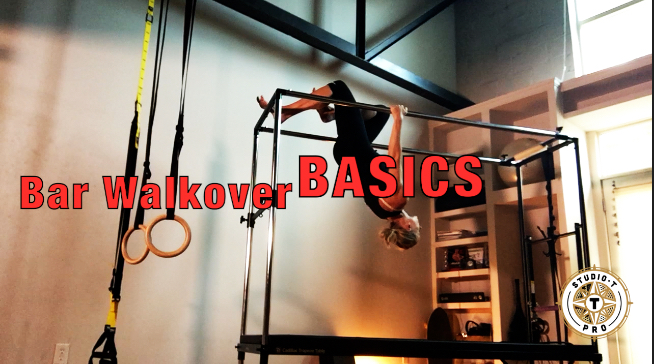

 Once STPro’s financial advisor asked a conversation starter question… So, What’s Your Favorite Investment? After a brief pause, STPro’s answer was: Myself. Luck may come and go, markets may come and go and business conditions may come and go. But there is one thing one thing that must stay the course, maximize total return and last through retirement: physical health, strength, mental clarity and stamina.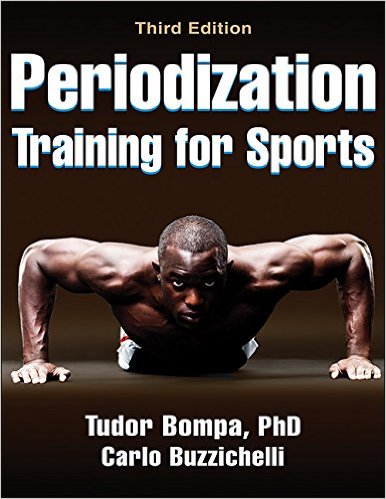

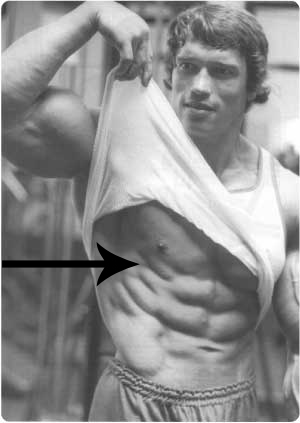




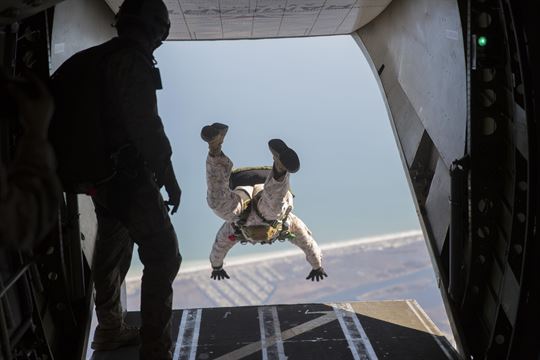

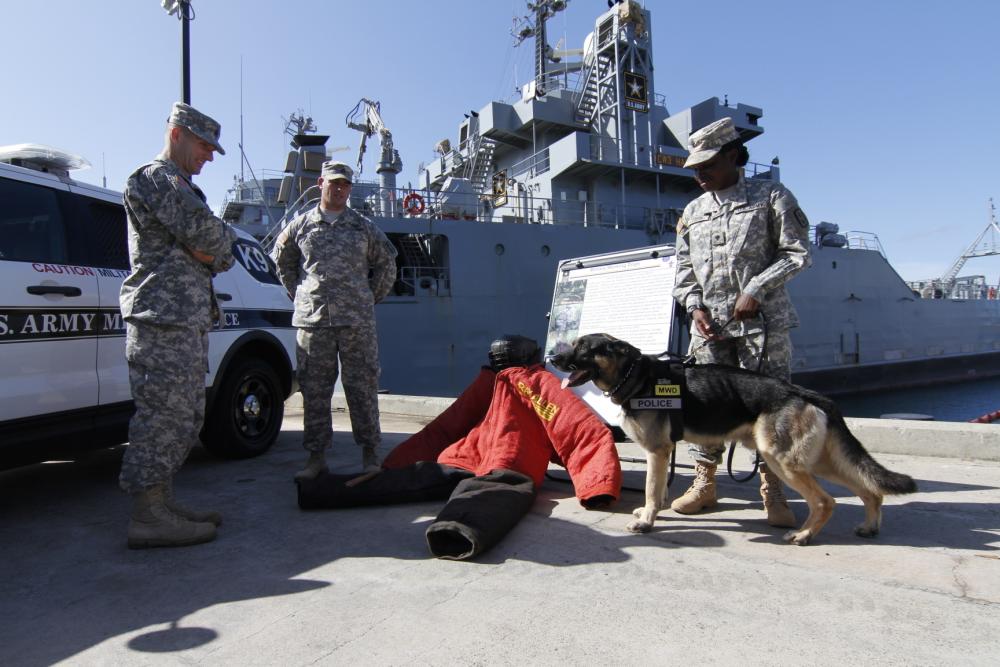

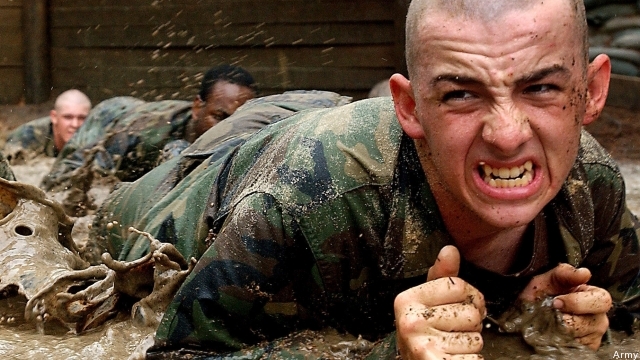
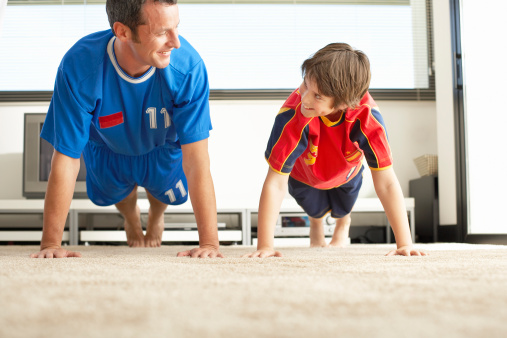

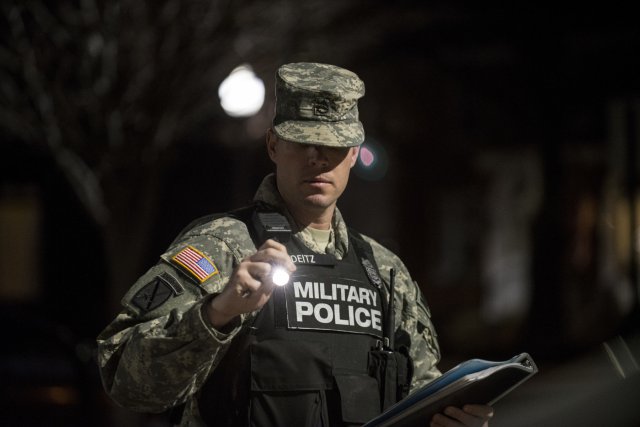
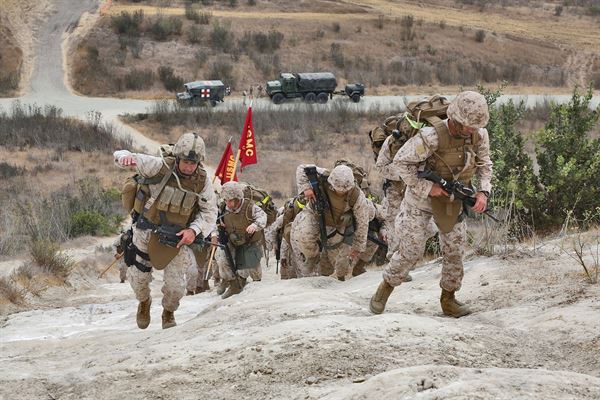
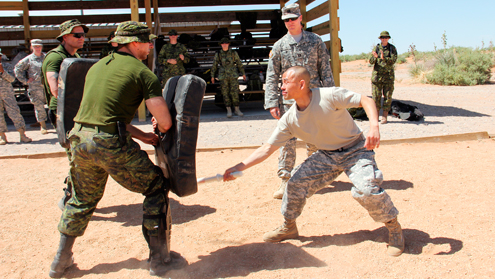
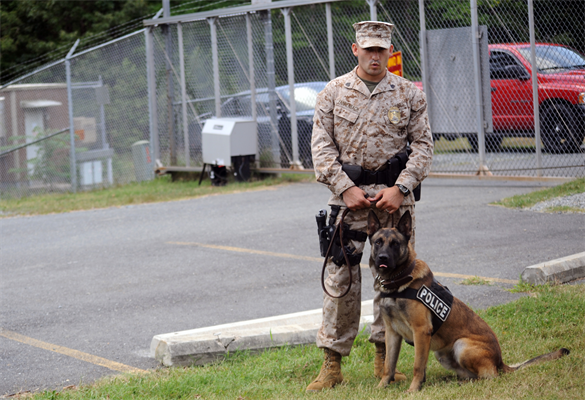

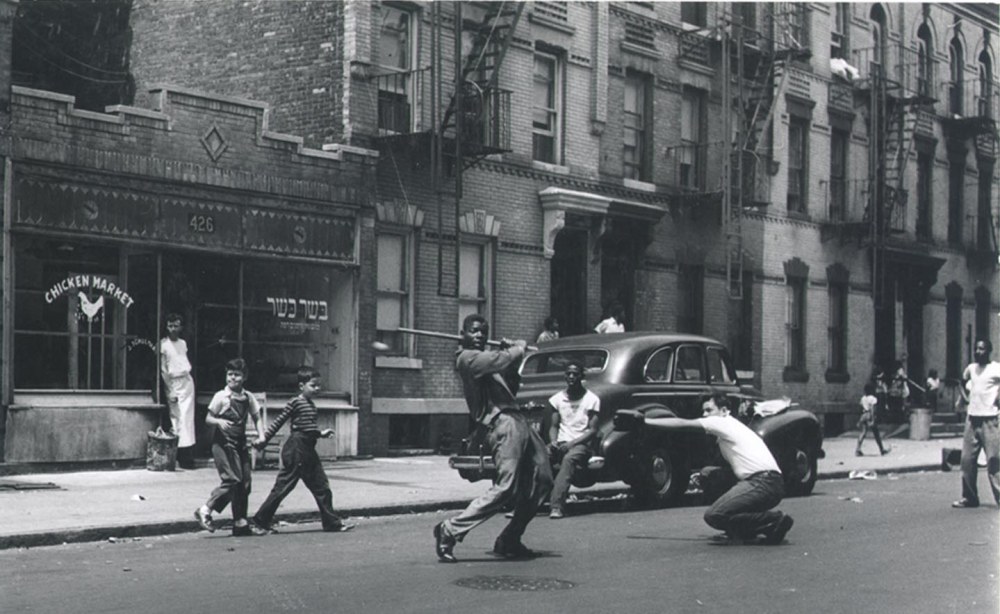




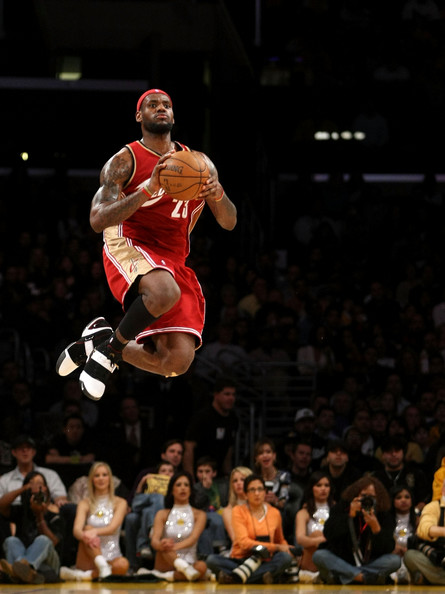


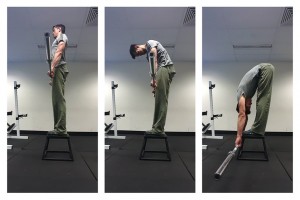 — Image used without permission — But here is the link:
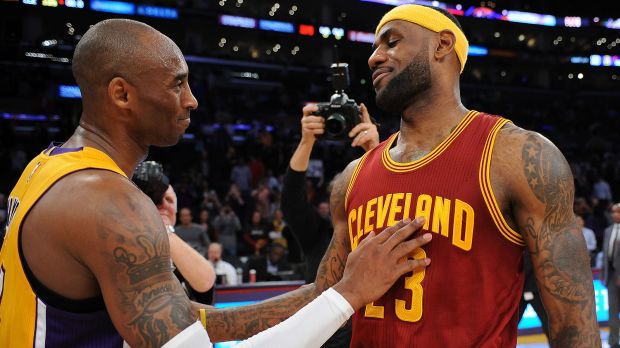

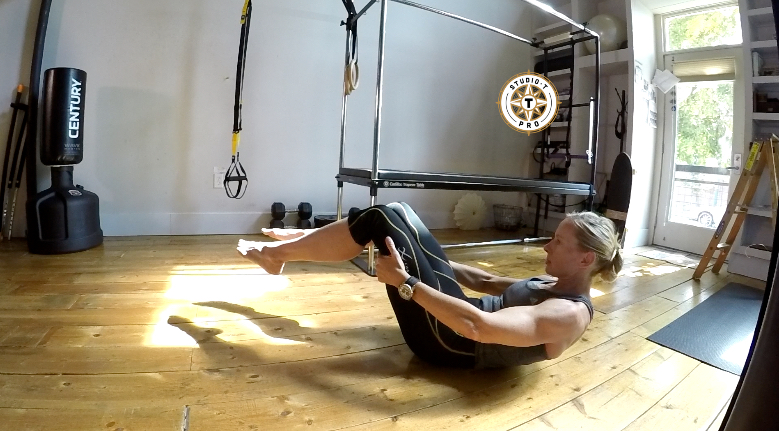
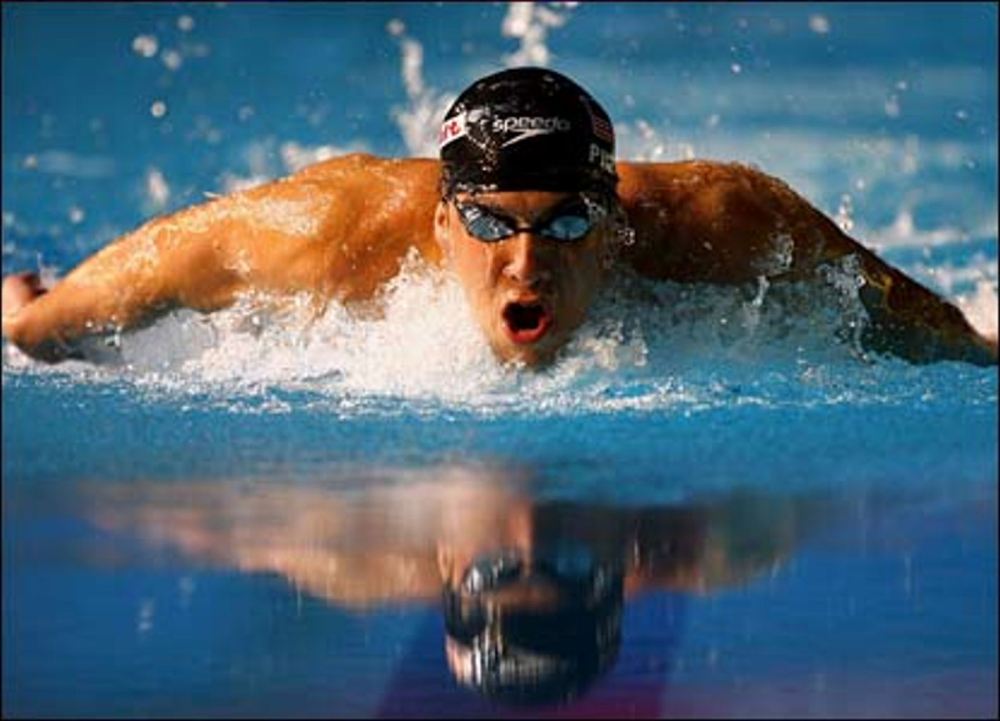
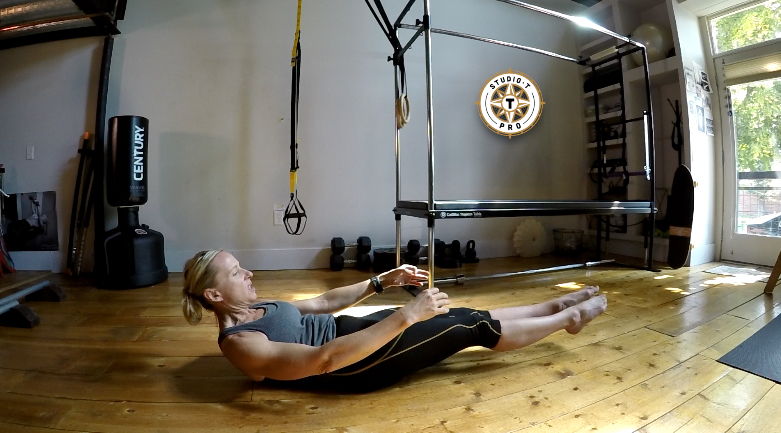
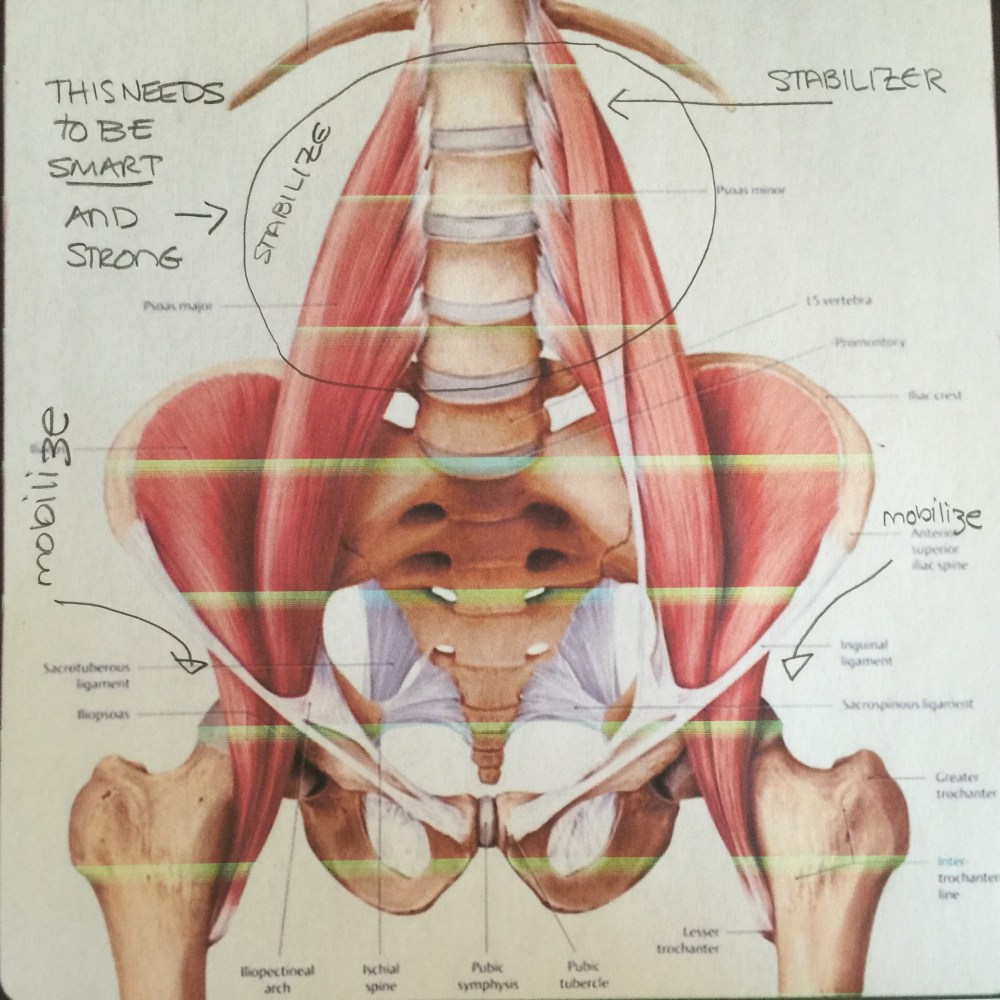

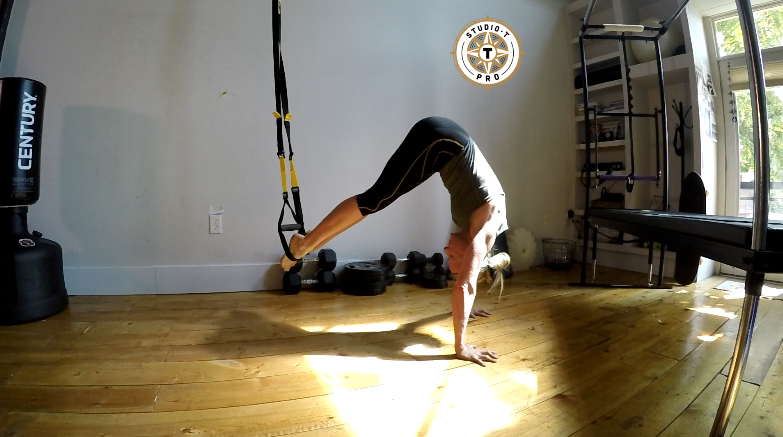

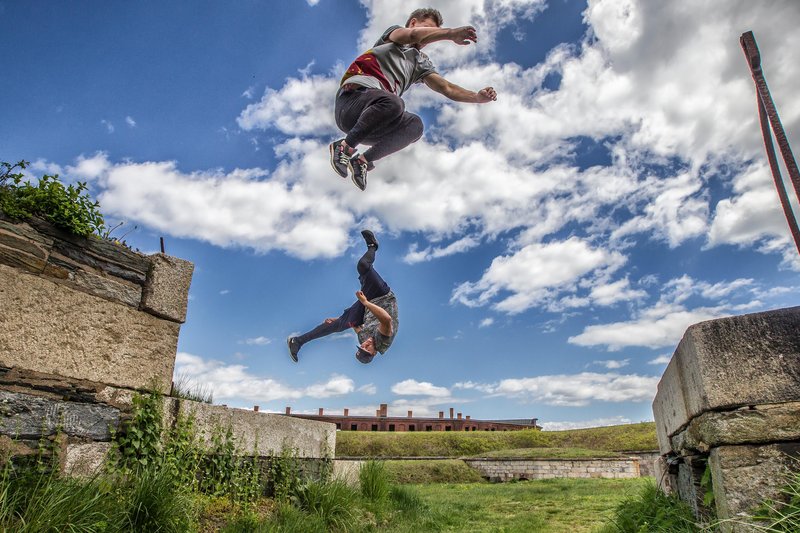


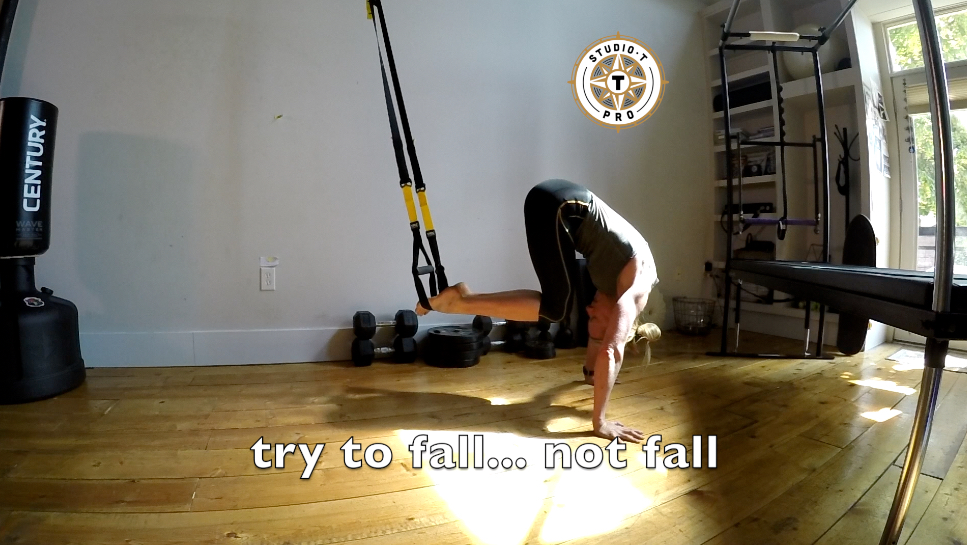

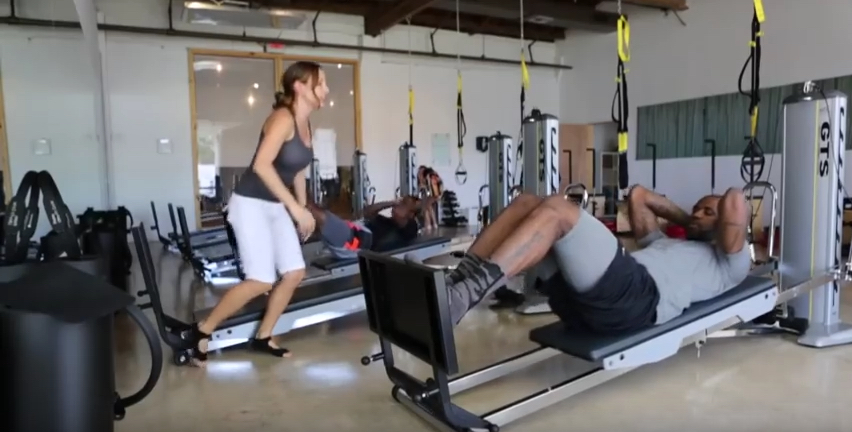

 STPro Ninja Gear Just the way we like it- lightweight, portable and effective. Like the wheels on a race car, hips and shoulders need a high performance chassis for high performance movement. These new wheels train just that – a dynamic, efficient and powerful chassis.



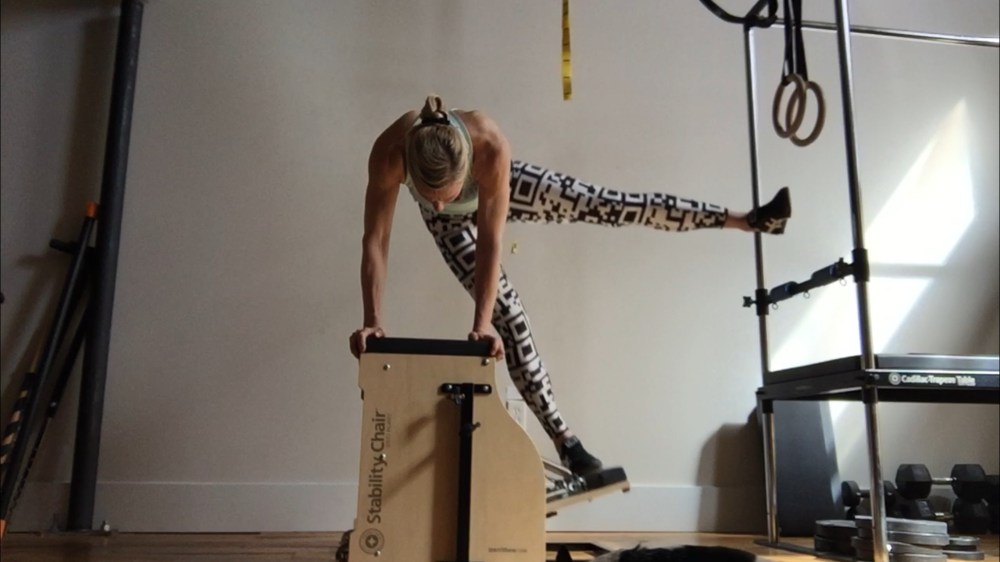


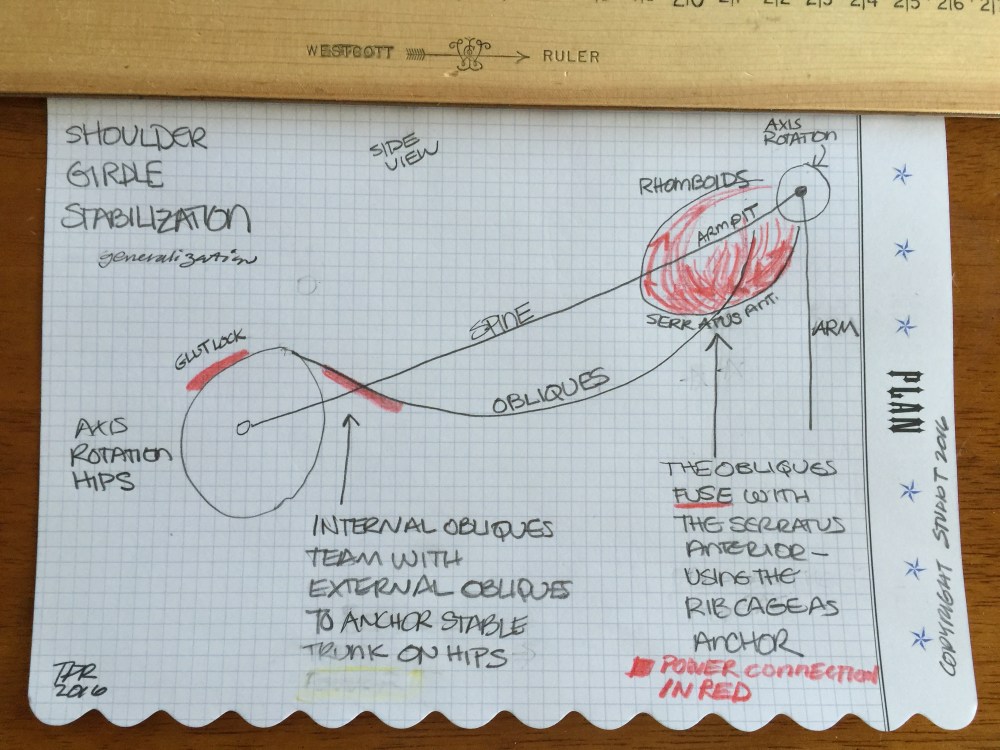


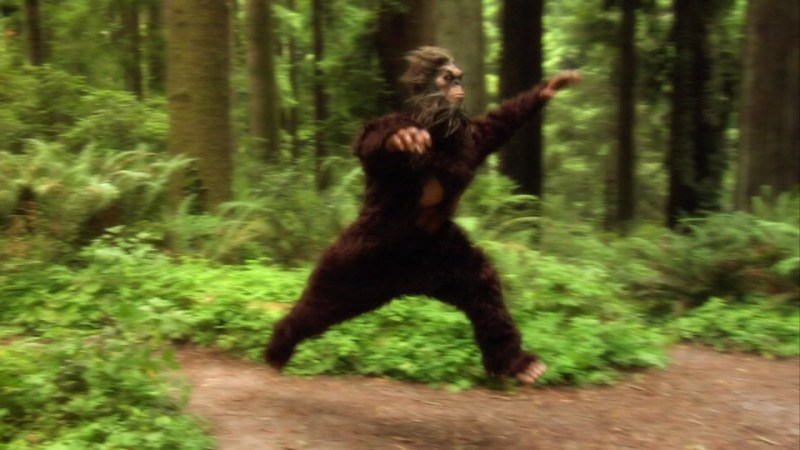

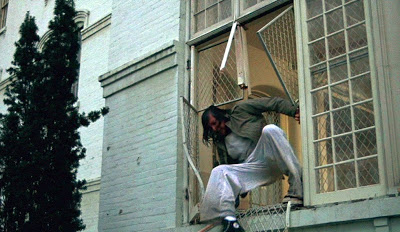
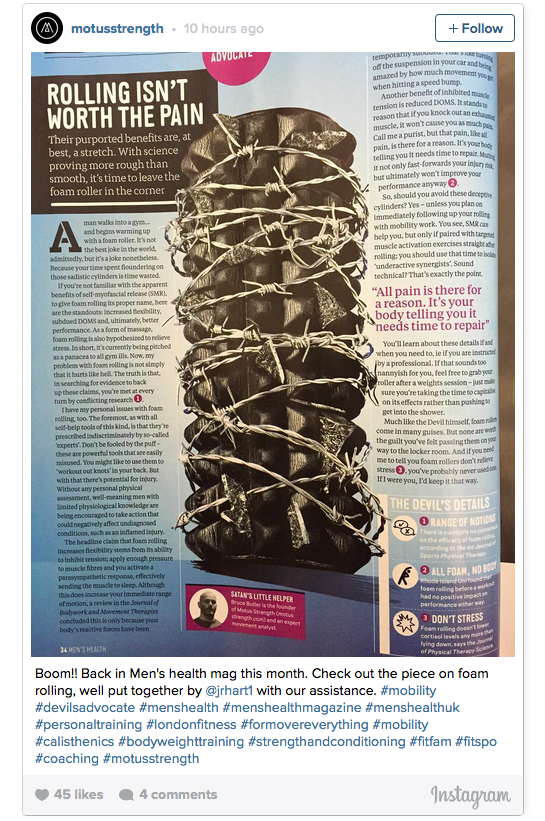
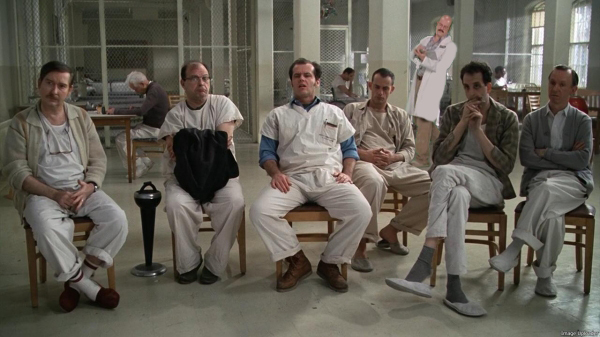


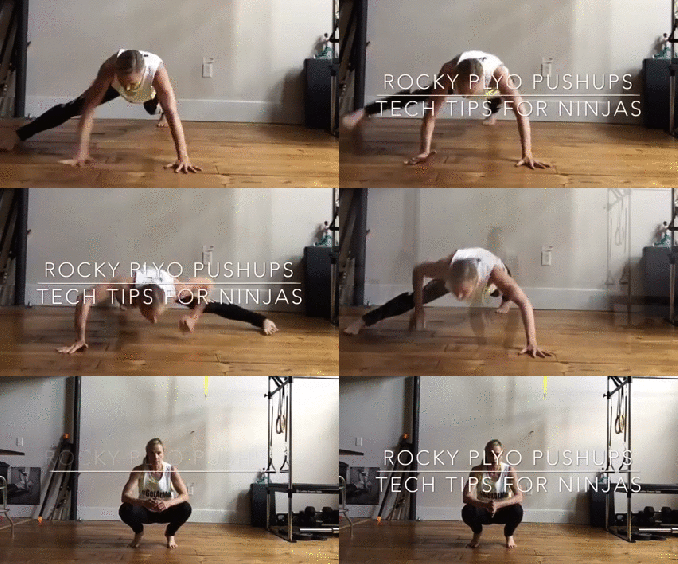
 Don’t let em do it to ya
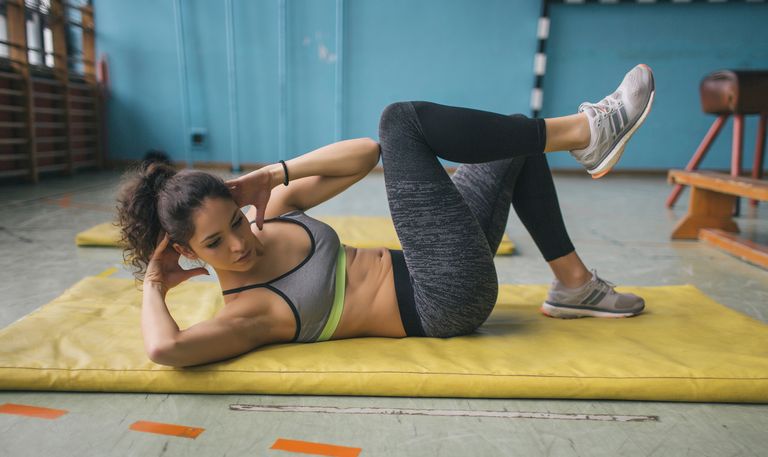


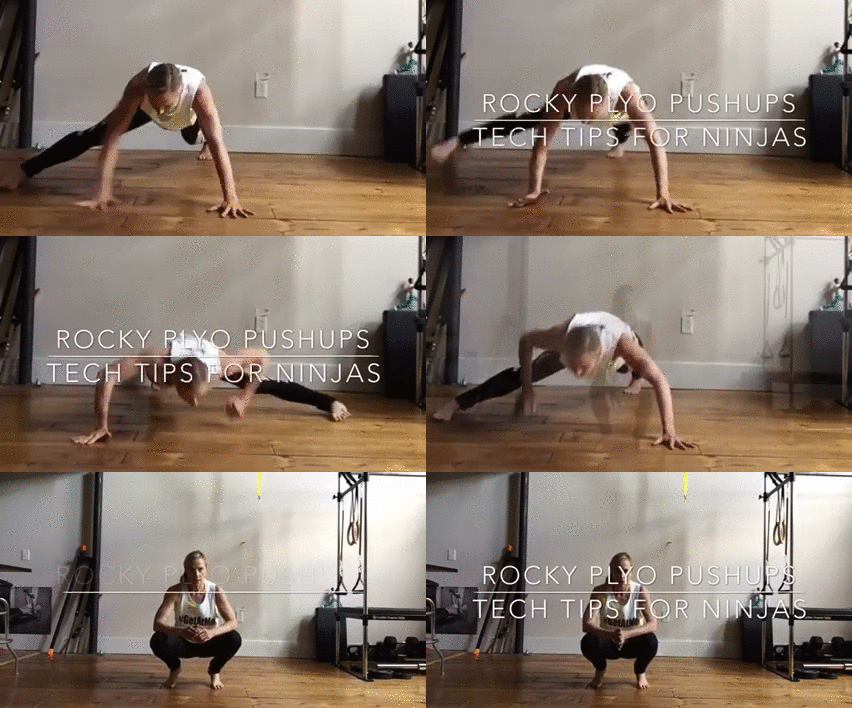


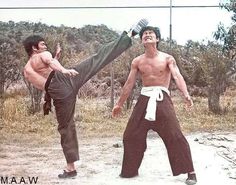
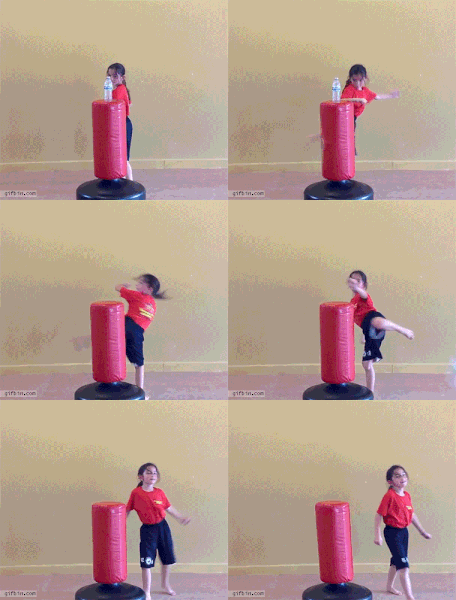


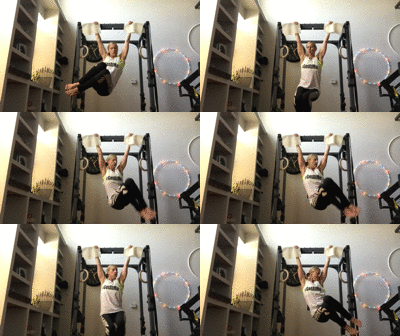

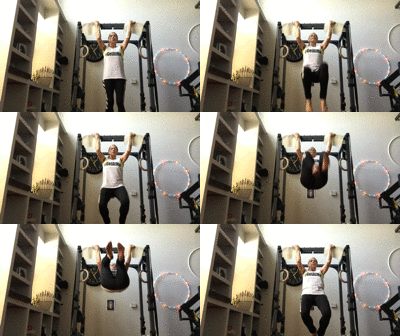
 STPro
STPro 