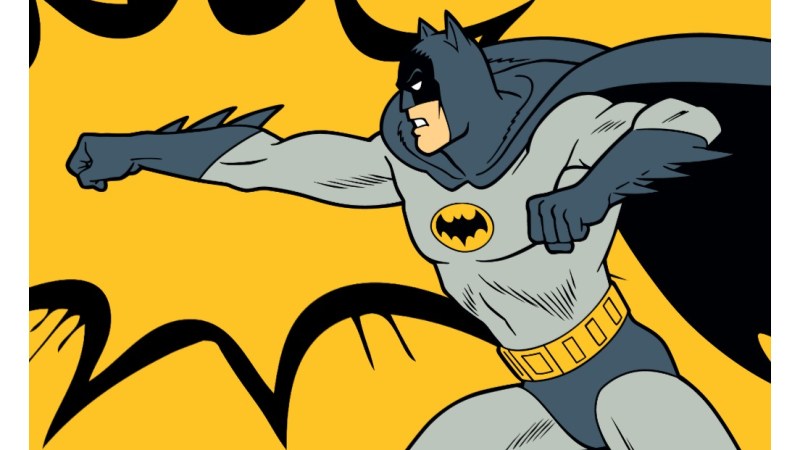
Hey, I’m not a boxer so what’s with the cross-punch coach? This sweet rotational movement requires fluid integration from the tip of the toe through the entire kinetic chain.
From firefighting to surfing, solid rotational mechanics are essential. These movements leverage existing strength and require neurological patterns stored deep in muscle memory to generate powerful rotational force through the entire kinetic chain.
Martial arts inspired workouts, with emphasis on skill based moves, tend to be much more effective than a generic cross-train routine for adrenaline sports types such as mountain biking, mountaineering, surfing and snowboarding. The cross-punch is a simple way to test strength, skill and intelligence through the whole kinetic chain in one move. Any weaknesses or leakage in the body’s many systems are quickly revealed – so they can be isolated and trained.
The cross-punch has the biomechanical bonus feature of loading through the lumbar in a practical way – most strength training moves just load it up in extension – a good thing. But too much of a good thing trains us to move like a B movie 1920s robot when it comes to the exertion of force through the kinetic chain. A solid cross-punch form optimizes shoulder integration with the core, trains for solid transfer of force from glut drive and requires the lateral systems to really work smart. So we can have more fun.
Push-Pull Rotational Mechanics in Action
Pro Surfer Josh Kerr naturally push-pulls through shoulders for the Alley-Oop

Here is the link the Surfer Magazine video. Josh Kerr shares how he integrates head and shoulders first for this complicated move: Alley Oop Breakdown
Training tip: practice slow. You don’t own the move if you can’t do it slow and hold a balanced stance at the end.
Test & Train Your Cross-Punch
To me, boxing is like a ballet – except there’s no music, no choreography, and the dancers hit each other. – Jack Handy
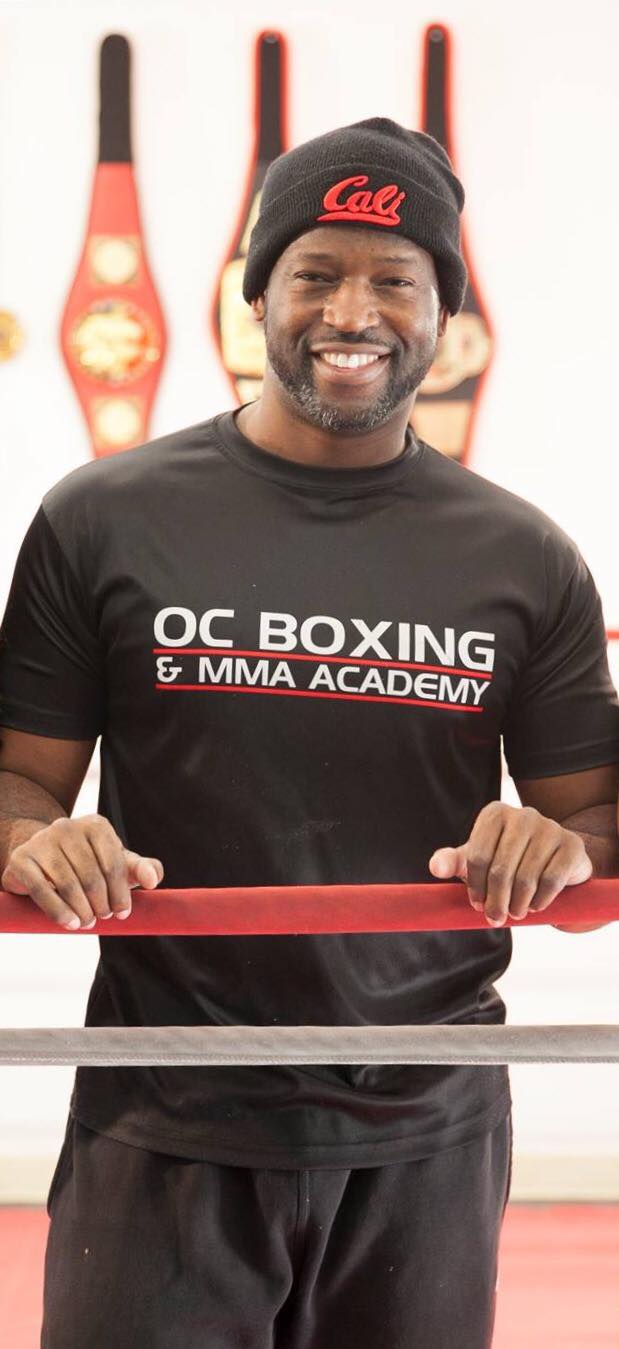
Fahness Lutalo, Master Trainer for OC MMA & Boxing Academy, teaching the cross-punch
This test was designed working with boxing coach Fahness Lutalo, OC MMA & Boxing Academy. Fahness can teach you how to fight – but not if he is spending time fixing foundational mechanics. That’s where STPro steps in.
The test here:
Optimizing Push-Pull Mechanics
Our bodies are wired so intelligently, that we can use the shoulder girdle to stabilize the hips even while we aren’t holding onto something. For example, runner’s arms in sprints, using the shoulders to assist a carve on a snowboard or hitting a tennis ball. All of these leverage a complex biomechanical balancing act across the entire kinetic chain.
At the top of the chain, one arm pushes while the other pulls… this balances rotational forces in the torso, like two hands on a steering wheel on a sharp curve. This integrates with force generated by the gluts to tap our power center for movement. Beyond that understanding, the less we try to micro-manage it and the more we practice with integrated moves, the better.
Not getting it? STPro Academy special… essential knowledge for athletes. The why we train the lateral system even though it sucks speech..

Less Talk – More Action
List of Kinetic Chain Builders
- TRX Side Plank with Hip Drops
- Corner Olympic Bar Presses
- TRX Rip Rotates & Samurai Strikes by Pete Holman, former US Tae Kwondo Olympic Champ
- TRX Samurai Strike, done properly, trains both a solid cross-punch and roundhouse kick Peter Holman Martial Arts Cues for TRX Rip Samurai Strike
- TRX Rip Anything *as taught by* Peter Holman
- More from Peter Holman’s Channel Study Master Holman’s Moves
- Squat to Roundhouse bag kicks
- Weighted Cable Single Arm Pull – Split Stance
- Weighted Cable or Band Paloff Press – Split Stance
- Single-arm Rocky push-ups
- Single-leg RDL weighted to twist
Demos of Kinetic Chain Builders
TRX Side Plank with Hip Drops
- Shoulder directly over elbow
- Lift from *under* shoulder – engage serratus
- If you don’t know what the serratus anterior muscle does – if its not firing here, then you’re wasting time and effort. Here is a quick and important visualization: Serratus Anterion in Action
- Things every athlete needs to know about the amazing Serratus Anterior here: Pro Trainer Jeff on the Serratus Anterior for Athletes
- Test your form — deliberately “couch potato” slump to let the shoulder girdle disconnect and feel the bones flop… then reach the free hand under the shoulder to serratus anterior on those ribs and “pick yourself up” — this trick is also in the studio t pro demo below. This works very well in practice.
- Maintain this underarm connection the entire set – saggy training trains saggy execution – holding form this during the set protects anterior shoulder joint… but more importantly — trains the shoulder girdle to stay connected to the core power center and hips under stress.
Corner Olympic Bar Presses
- If you’re not feeling good about your Cross-Punch, this move may not get you much except some AC joint pain and lumbar torsion
- The bar presses require total body tension (a Bruce Lee term) active from the punch-toe through the pinky finger of the grip. Feel the force line from toe to glut – glut thru obliques – obliques to serratus anterior – to the front oblique connection at the solar plexus – to pinky. Drive the bar with this full force engagement every rep.
- Here the extremity is just a delivery mechanism. Force comes from the glut drive. Push the bar up from the gluts and under the shoulder. Pushing from anterior deltoids and extremities only defeats the purpose.
- If you can do more than 8-10 with moderate weight, you’re doing it wrong.
Squat to Roundouse Kicks
First study Bruce Lee’s Roundhouse. Most shots you see are his signature kick where he is literally flying. This is his roundhouse – weight on standing leg shifts to ball of foot – push-pull thru torso – left arm comes in like a standing oblique “crunch” – right arm drives back stiff from the shoulder – eyes on target..
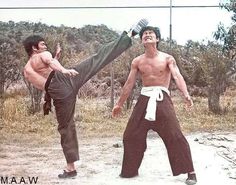
I fear not the man who has practiced 10,000 kicks once, but I fear the man who has practiced one kick 10,000 times. – Bruce Lee
——————-
Roundhouse Tech Tips
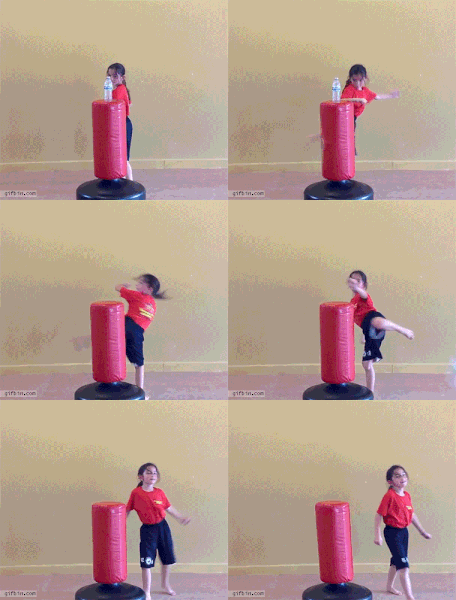
- Kick from arm’s distance away
- Aim, aim, aim. Strike with top of foot or shin
- Stay light on feet – bounce before kicks
- Total body rotation and engagement – if you can do this for more than a minute you’re doing it wrong
- Push-pull mechanics – arm on same side as kick leg drives *back*
- Squat to 90dg – get full stretch on gluts to snap up into the kick
Working the kicks – stay completely in the zone. Pretend that bag is going to kick you back.
From Master Bruce Lee on Readiness
“The danger of training with the heavy bag is that it doesn’t react to one’s attack and sometimes there is a tendency to thoughtlessness. One will punch the bag carelessly, and would be vulnerable in a real situation if this became a habit.”
Weighted Cable Single Arm Pull – Split Stance
From Youtube: Simple form from split lunge
Tech Tips:
- Wide split stance is more martial arts and functional – for integration benefits vary the stance – experiment with your base of support in a lunge – don’t just make it easy – experiment with angles you might use in a sport or movement
- Vary the height and pull angle – experiment – try to pull from where you feel like falling over – stay in form and don’t fall over
- Pull from underneath the shoulder – avoid getting hunchy or “trappy” – hunchy is a substitution strategy – shifting work from the upper obliques and core into the anterior delts and traps who are not well positioned to manage anterior force loads. Think dislocated shoulder and busted AC joint. Pull from underneath the shoulders.
- Stay in moderate weights and fight for balance
- Rotate, rotate, rotate -and don’t fall down – and pull from under the shoulder – and stay light on your feet – and keep a steady gaze on the target – and integrate breathing – and make Bruce happy, make it look easy
Weighted Cable or Band Paloff Press – Split Stance
Paloff training tip – vary the stance. Don’t get hung-up on lunges. Let the back foot drift. Stability is dynamic – our machine calculates it on the fly for various angles. So train various power angles.
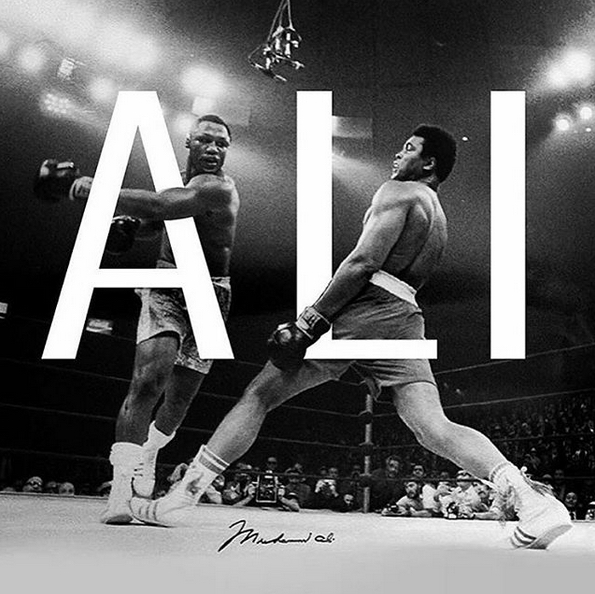
“I’m gonna float like a butterfly and sting like a bee, the hands can’t hit what they eyes don’t see.” Muhammad Ali
Single-arm Plyometric Push-ups
Single Leg RDL Weighted Twist
Demo from Altis Running athlete: Flawless Form from the running coaches at Altis
Most RDL forms exclude the rotation twist – but this ignores an essential dynamic kinetic chain integration function. Optimized rotational mechanics require consistent training for maintenance. When rotational mechanics shut down, there may a lumbar issue. If there are issues with executing a smooth and balanced twist from this movement – stop right here. Visit and stay tuned for more from the Studio T Pro project on lumbar issues for hard workers who might have hurt their backs doing crazy stuff and can’t rotate. The Gist of it: Straight Talk on Lumbar Issues & Rotational Mechanics – aka Functional Hard Work It is not enough to strengthen the lumbar – it must retrain to reintegrate for rotational mechanics. Fixing and restoring this essential foundational movement function is the focus of the Studio T project: Dynamic Alternatives to Yoga with Lumbar Issues
Targeting Weak Areas
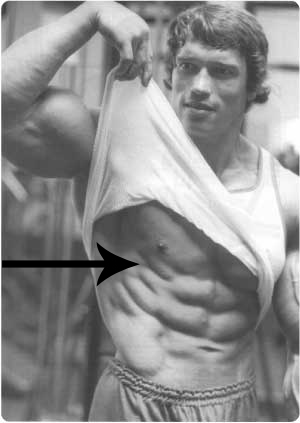
Serratus Anterior, the Boxer’s Muscle
- Stabilizing function: TRX front shoulder plank & body saw
- Stabilizing function: Studio T Pro Special – Side shoulder plank rotates AB set
- Stabilizing function: Side straight arm twist
- Stabilizing function: Side straight arm twist to push-up
- Strength: Serratus cable pulls
- Strength: TRX atomic crunch & oblique crunch
- Integration with Obliques: Hollow-ab Handstand Wall Walks
Demos for Targeting Weak Areas
Serratus Anterior, the Boxer’s Muscle

Serratus Cable Pulls
In studio practice, we do Serratus cable pulls with weights or the pilates machines and ring variations. And we all look exactly like this guy.
Serratus cable pulls are essentially a standing version of the iron cross.

Well, maybe not exactly. But the key point is that this is not a Lateral Raise. It is a push – pull at the same time. The pull is the lats acting as a stabilizer for fixed shoulders. The push is the pattern that engages the serratus anterior linking into the core systems. Note the oblique line of the blue angle and striped pattern on the shirt. That is the key connection from backside to front side body with core musculature forming a sling. (In dogs, the serratus anterior acts as a sling for the shoulder on a fixed chassis – similar to a car chassis. In humans, due to the standing function, the serratus anterior forms a power sling for vertical support.)
How-to: in the weight room, stand in center of the cables athletic stance holding one cable from each side of the cage – moderate weights – stiff-arm pull both cables from just below 90dg down to the side body *from underneath shoulder* – make sure to keep wrist straight (stay out of extremities – make the serratus anterior stabilize for the pull). Think opposite of lateral raise. Maintain athletic stance – weight balanced on feet. (No hunch shoulders – keep the upper traps and delts out of this). As pull down, feel taller, like rising up out of a tube. Moderate weights.
Below- Serratus Cable Pulls – STPro learned this move from a Master Cirque du Soleil trainer…
Raw Strength: TRX atomic crunch & oblique crunch
Do lots of these. Don’t count sets and reps. Do stay totally connected with total body tension. Tapering works here – meaning go into the spot where it hurts the most and pulse with control there. If you’re shaking – pause and hold form and stay in the shakes. Shakes are stabilizer muscles working their “reps” systematically to train efficiency in coordinated power movements. Ignoring this function often turns prime movers into stabilizers reducing overall power and flirting with injury. Keep going until you can’t stand it, and then do another 5 seconds or so. And stay in form. And keep your gaze neutral. And don’t clinch or grip. Those last 5 seconds holding form train your neural pathways to Hold Their Line under stress. You’re Welcome (evil trainer laugh).
Key Form Pointers on the TRX
- Really press tops of feet into straps and feel that lever through your whole body
- No hip sagging – absolutely no sagging – body is solid as a stick – lever hips up
- Push the floor away – push, push, push away like its the end of the world. This trains the serratus and upper obliques to hold the line under fatigue
- Make up variations – try to smoothly transition between forms – repeat forms where you wobble or use momentum from the straps to execute the movement
Get random patterns to challenge dynamic stabilizing systems. If running random patterns is difficult, then remedial work is necessary. For true strength a synergistic routine – requiring integrated skill and coordination – one should be able to run3-5 sets solid multiple sets of 1mn with variations.
Targeting Weak Areas
Glut Med Strength & Stabilization Function
- Single Leg RDL
- Sumo Lunges Kneel to Stand
- Single Leg Lunge with Floor Tap – freestanding
- Single Leg Curtsy Lunge – TRX or freestanding
Single Leg RDL Demo Here of Single Leg RDL for Resisting Rotation – aka – Stabilizing Lumbar Move Torso from the Glut – No Breaks in Lumbar *at all*
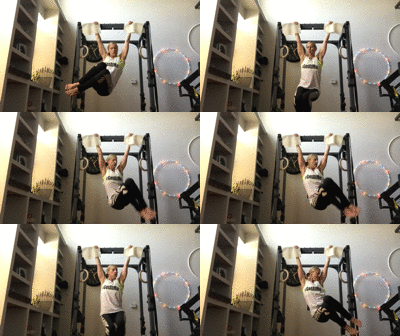
Oblique Strength as a Mobilizer
- TRX Oblique Crunch
- Hanging oblique crunches bent knees
Synergistic Workout Session

Studio T teaches “synergistic” workouts – routines designed as a muscle-activation sequence or “flow”. They work like a NASA launch sequence to activate the human body’s dynamic core power to produce capabilities unattainable by simplistic one-off exercise training routines. For more about why this method is superior, see the Studio T Pro Mission Statement here: Mission
For now, let’s get on with it knowing the following sample routine is based on these principles.
Warmup – Start Integrated & Ground Based
Stay in sequence:
- Spiderman push-ups
- Spiderman crawl
- Inchworms
- Rolldown in hollow abs – weight on ball of foot – lumbar rounds – feel abs work to control the move
- Tight hamstrings roll down to floor as far as possible then fall and catch yourself in push-up arms
- Side shoulder plank rotates
- Shoulder plank on fitball and spell words like Ninja
For advanced movers, add handstand wall walks and push-ups here – early in the workout. The wall walks engage the obliques as stabilizers and add control for moves in the next round.
Workout – 3 Rounds – AB Sets
AB 1 Squat-Strike Muscle Activation
A Bodyweight Squat to 90
B TRX Rip Progression by Round
- Round 1 Stiff-arm Canister Rotates
- Round 2 Samurai Strikes
- Round 3 Side Blocks Sumo Squat
B Alternative no TRX Rip — Paloffs & Rocky Plyos
- Round 1 Split stance Paloff presses cross-punch stance to fail
- Round 2 Resisted punches from cross-punch stance to fail
- Round 3 Plyometric Rocky Push-ups
AB 2 Dynamic Pull-Push
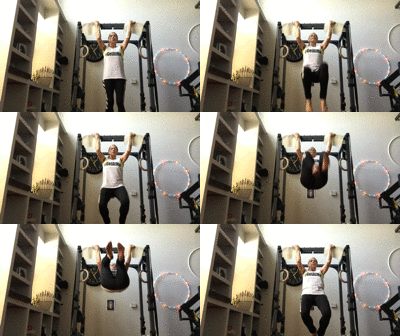
A Broad to Medium Pronated Grip Pull-ups
(add Jump to bar for increased intensity – grab that sucker and stabilize as quickly as you can – lower down miserably slow – then jump up and hit it again… and again)
B Squat to Roundhouse Kicks
AB 3 Dynamic Core Whammer
A Wahlberg Crunches & Oblique Crunches
B Skip rope
Walhberg Crunches – this is a muscle activator – not just any random strength training move – stay in 90dg bent arms – stabilize & pull from *under* shoulders – stay in round back, never let the back arch – this crunch form fires deep low abs – make it really really curly at tailbone – try to aim the tailbone to the ceiling – force deep low abs to work to fight the desire to arch the lumbar when the hips lower down. Really fight it. The bent arm 90dg pull forces the shoulder girdle to stabilize and pull without a break each rep. This core connection pattern is essential for the roundhouse kicks – no hyperextension arch in the back when you connect on the kick and the integrated shoulder girdle drives push-pull rotary mechanics – so rehearse this pattern holding a deep tuck in these Wahlbergs. It will improve kicking power in the next round.
Finisher – Dynamic Stretch
Optional – Finish Strong: Choose a core strength move where you felt weakest – run that to failure – keep the core failure moves *at the end* of the routine – working to fail on core early in the rounds ruins form as all integrated moves rely on a solid core connection.
Ending – Whatever you need to stretch. Most athletes seem to like to get a good last stretch in on the lumbar with Inchworm rolldowns (no push-up, just the rolling down and back up to stand). Another favorite closer is Shoulder Dislocates.
This is a story about Mercy. It’s also about revenge… justice… and fighting for yourself. – Batman, 1988
Studio T Pro Edition is dedicated to professional training using synergistic routines incorporating biomechanics into applied practice. We are on a never ending mission for excellence.
The Mission Is Underway. The Plan: Synergistic Training
Feedback matters. Get at me. Share & like, comment and email questions. Play stump the trainer with a question. Click to get things started: Get At Me…
Copyright Studio T, LLC 2016
 STPro
STPro 