

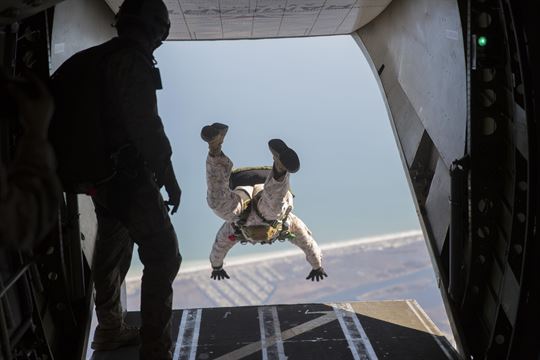
Image: Marine Medium Tiltrotor Squadron 263 (Reinforced)
Nickname: “Thunder Chickens” Motto: Balanced Excellence (Pondera Virtus)
Mission: “Provide the United States with a forward-deployed, amphibious force-in-readiness capable of executing mission across the full spectrum of combat and military operations other than war.”

Inspiration for this post: Spreading awareness of the most profoundly important thing to know about managing your own rehab: the body goes into GUARDING mode. Guarding is an identifiable and testable pattern of altered muscle recruitment patterns as result of an injury. During guarding mode, the body’s deep sub-processes adapt and alter existing movement strategies. This allows for recovery. However, these adaptive survival strategies tend to persist even after the injury has healed. A classic example is an ankle injury. The entire kinetic chain adapts by shifting weight away from the injured side to the “good-side”. This alters every muscle recruitment pattern stored in the body. Generally, we like to get back to business as soon as the ankle has healed, but the body has defense mechanisms that may tend to make us “hedge” a bit in weight bearing again on the side with the injury… and these hedging strategies generally lead to more problems.
Immediate Stage 1 recovery strategies typically restore micro-strategies – such as joint function. Stage 1 exercises generally are very specific such as pushing a cup across a table and can involve eg0-destroying exercises with therabands and Bosu balls. These are necessary, but not sufficient to reintegrate the healed component back into the kinetic chain. After the Stage 1 healing, it is necessary to “update” the kinetic chain’s muscle memory and recruitment patterns to restore a balanced state of readiness. This kinetic chain reintegration allows healthy full-body restoration – meaning – getting unstuck from the injury once and for all.
We tend to hope and expect that once a joint or soft tissue has recovered, that the rest of the kinetic chain will automatically recognize the healed area and go back to “normal”. But it doesn’t happen this way. A Stage 2 recovery process is necessary to allow the kinetic chain to regain confidence in the joint and adapt or rebuild muscle recruitment patterns, re-calibrate balancing strategies and convert strength into readiness. We can do this ourselves or with a sports PT. This post focuses on how to do this ourselves – or – make your sports PT’s job easier by recognizing the process (and doing what they say, ha ha). Stage 2 does not mean “take it easy” – Stage 2 means we need to go back to Basic Training Days. More dues paying? Yes. Sorry ego: it is what it is.
The body is a team effort. Deep in systems we can measure but still do not understand, the body neurologically monitors and tracks all movement based on its calculations. Even thoughts trigger electrical responses in deep core systems that precipitate action. Our bodies run constant lightning speed system checks. Signals fire in individual system components and our integrated kinetic chain executes based on its status calculations.
Our brains and bodies become specialists with practice and repetition, but like the Thunder Chickens, the human body is designed for a full spectrum of readiness. Our bodies work for “balanced excellence” – even if component parts are injured or recovering. For athletes and active individuals, our bodies are constantly calculating and preparing for readiness. And we like it that way.

The body knows it is injured. It’s funny in a way, that it takes teams of experts and technicians to reveal what the body already knows. When one part of system goes boom, the rest of the system adapts. Thinking of the body as an integrated team of components, during injury of a specific team member, our guarding systems send signals to rest of the team: MAN DOWN. Adjacent systems compensate – anybody near it that could hurt it, TURNS OFF. Anybody in the vicinity that can compensate – COMPENSATES. Team members even far away in the extremities (toes and fingers included) – ADAPT. Meanwhile, the neurological system invents and tests entirely new adaptive patterns to drive the machine bearing loads and executing movement against gravity. We are deeply wired with an ingenious survival strategy. We are designed to SURVIVE first – and be perfect later.

Don’t believe you’re wired to survive, even in spite of yourself? See if you can jump off the ski lift… you will have a weird feeling of not being able to jump. That is our deep instincts keeping us alive in spite of ourselves.
GUARDING DEFINITION – YOUR BODY HAS MPS

During injury and even through our Stage 1 and Stage 2 healing, the nervous system calls out the MPs. The MPs do their job on orders from High Command Survival Instincts. They stay on point even during Stage 2 recovery. In practical terms, we have to go back through a lot of Basic Training (Re-Training) maneuvers to convince the MPs that we can safely reintegrate the restored injured component into our muscle recruitment strategies used to manage the entire kinetic chain. They are not a reasonable bunch to deal with – they answer to a higher command even than our force of will alone: the High Command of Survival.
High Command Survival Orders to the MPs:
Do not let this person do anything to re-injure themselves. They have their orders. They are trained and fearless gatekeepers and will without questioning orders, de-activate muscles, muscle groups and even half your dang body if they decide it will help you survive.
They will shut you down. If they decide that essential functions such as the spine are being threatened – they will shut you down by diverting prime movers into stabilizers. In other words, they call out a massive muscle spasm, and you have to lie down. Like now.
They deny access. They block the gates and deny access to movements that could threaten the injury. Often these are essential core support and stabilizing systems. Especially when the spine is threatened – they are willing to hold the line with a complete mobility lockdown and stiffness of every available muscle and tendon available.
They will disrupt the kinetic chain. Since childhood we have been building neural patterns for complex movements, load-bearing, stride, force loads, skill etc. The MPs are not interested in what you did back in the day. Those strategies are disrupted no matter what the cognitive will commands.
THE MPS HAVE TACTICS AT THEIR DISPOSAL
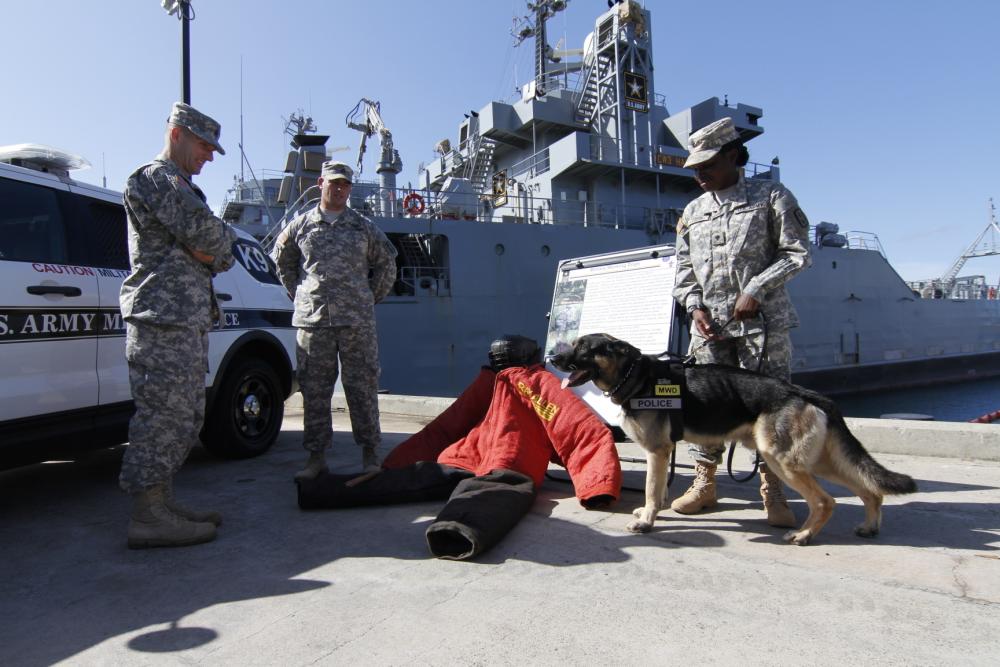
During Stage 2, when getting back into a normal routine, the MPs are still watching. This period can get pretty tricky. Those guarding patterns are still in working muscle memory. The MPs are still on high alert – and attempts to use sheer force of will to outrun them are generally met with little success. This makes Stage 2 tricky business, for the individual and the trainer. With attempts to push it too hard in Stage 2… at the first sign of uncertainty, the body can go back into full-blown guarding. This can be frustrating – and while we may try to negotiate with the MPs, even cheat, avoid rest days, grunt-smash-and-push-onwards anyway…
THE MPS DO NOT LISTEN TO YOUR APPEALS, PLEAS, NEGOTIATION TACTICS AND FLAT-OUT BEGS FOR MERCY

While it might be helpful from an adaptation perspective, for the MPs to be less restrictive – they will not naturally restore a full kinetic chain to wellness by directive from force of will. They are not interested in the commands that come from the cognitive mind anymore. They want proof in action and with quality repetition of functional integrated movement (think of it as your “papers” to pass). Yelling, grunting, smashing, threatening, pushing-through anyway, complaining, whining and begging forgiveness fall on deaf ears.
So what do we do to satisfy the MPs?
We get Primal. Go back to Basic Training. Revisit our survival skills…
GET PRIMAL – AGAIN AND AGAIN UNTIL IT STICKS
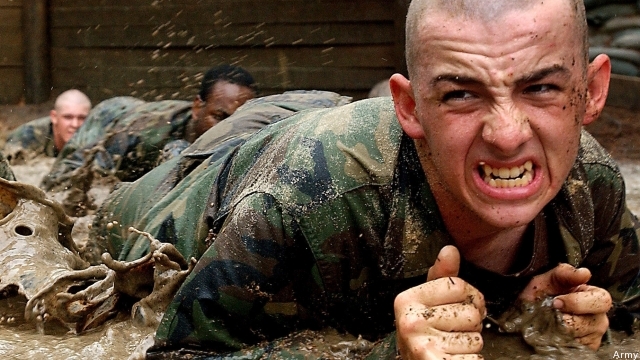
Effective kinetic chain reintegration strategies go back to our early beginnings. We learn to resist gravity and stand by first crawling. Skipping the math here – essentially – going back to basics gets “underneath” the guarding patterns used to protect the injury. This approach uses our instinctive and inherent processes within our own body to re-integrate our kinetic chain. Sorry Bosu ball – that was Stage 1. We are back in Basic Training now. The body likes to move with ground force reaction, momentum and force.
Getting primal starts with both arms and legs on the ground. See the Army Crawl above… now watch a child pre-walking. Same moves. These Basic Training moves run that deep. Our body has not forgotten how to rebuild muscle memory patterns. And the MPs generally tend to allow these moves as long as we keep the Basic Training mindset. In Zen, this is called Beginner Mind. Forget everything you knew about how you “used to move” – get low, crawl around and embrace the suck. Don’t try to “force it” – instead – adapt a mindset of building, testing and re-testing your limits. This will keep the MPs from getting upset and shutting off systems. Overdo it — and they show no mercy. Hello comfy couch and Netflix binge.
Ground based maneuvers include the following moves:
The Beginning – Get Low and Start Safe with Basics
Front, back, side planks, push-ups. Pay attention. Do not smash or grind – really work on the form here – the MPs are not counting reps. The MPs want QUALITY. Also, ground based planks, while boring and dull, are safe. This keeps the MPs from getting upset and shutting off systems.

Start Moving
Quickly progressing back to movement is the essential next step. Simple moves such as Bear Crawl, Crab Walk, Army Crawl, moving Push-up variations such as tricep pop-ups, Kong Vaults and even the hideous Fit Ball Crunches – all link back to the primal systems bodies used to learn to calibrate our movement against gravity. The key: hands or elbows and either feet or knees are used in coordinated fashion touching something solid like the ground or a wall.
Things May Be Going Well & The MPs Call a Time-out – They Can Even Shut Off the Core
There is an essential test for core activation used by sports PTs and is also common in gymnastics: the Quadruped Test, aka Bird Dawg. STPro takes in sports rehab after critical care rehab has restored core movement in load-bearing and validated initial recovery status with the Bird Dawg. This easy and handy test picks up on an essential primal movement pattern that involves the entire kinetic chain: it tests to see if the core will fire in Primal movement. Failing the Bird Dawg test and forcing primal movement anyway really, really, really pisses off the MPs. Because they really do not like violating the chain of command, they will not relinquish the guarding patterns and may up the ante with muscle spasms.
Go from Primal to Functional
Once completing ground based work, rotational or “functional” patterns are essential. Watch people who only weight train move – even uninjured – muscle recruitment patterns become robotic. While strength is awesome – generally – classic weight room strength training are considered “gross motor movements”. Meaning – they do not require coordination. The MPs demand Basic Training in Coordination. They want to see your time on the Obstacle Course run – not just Deadlift Max. They will send you out back to chop wood, haul things, mend fences and do some hard labor until they are willing to release you back to Active Duty. This is called “Functional” training.
Functional means chopping, cross-punch patterns, integrated pulling patterns, rotation against force. Think farm work, and you got it. Pulling and pushing like you would in real labor – not with the technique used in the gym. MPs want rotational force with balance. Exercises such as cable pulls with moderate weights – from a split stance – with rotation through the rib cage… now this will provide the MPs with the documentation they need.
Examples of rotational movements: Paloff Press, Cable Pulls from Split Stance with Rotation, Cable Pull Wood Choppers, Suitcase Carry, Proper Cross-Punches Medium Bag, Roundhouse Kicks – any TRX Rip Trainer move especially Peter Holman’s TRX Rip for Firefighters.
And for final stage kinetic chain re-integration with functional and integrated moves, here are some ideas: This is your world. Shape it or someone else will.
There is a Zen expression:
What did you do before you were enlightened? Answer: Chop wood, carry water.
What did you do after you were enlightened? Answer: Chop wood, carry water.

Carrying buckets of water, especially just one bucket, is an excellent core exercise. Very primal and it requires stabilizers and balance. This would make the MPs very happy. Get back to Basic Training and reassure the body it can fully integrate the prior injury in a variety of coordination tasks. The underrated Suitcase Carry is often used by athletic trainers in spite of much moaning and groaning from the team. But it is highly effective at prehab, sports improvement and likewise rehab. It is literally the Zen equivalent of carrying buckets of water. Some Dojo Masters train the young men by carrying buckets of water up and down staircases. Think you’re beyond the Basic Training and above Carrying Water: Tell it to the MPs.
THE MPS INSIST ON ATTENTION TO DETAIL
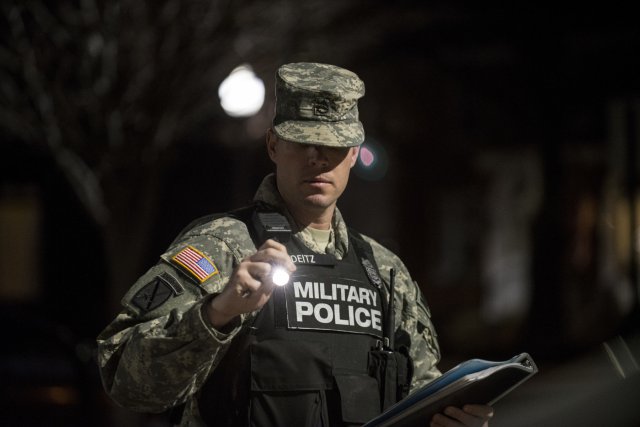
Often in injury situations, bone alignments have shifted, tendon connections disabled and kinetic chain alignments are disrupted. In other words, our bodies have had their original engineering specifications altered or essential lines of communication severed. Our bodies know things are off. Unlike a machine, the body doesn’t work off off design specifications. Like any good engineer, our bodies need to run tests to calibrate, refine and re-calibrate system mechanics when major components have been severed.
During the rehab and recovery process it is essential to indulge the MPs in form nitpicking with awareness. Careful attention to form is essential to these guys.
A few key points:
1) The knee always tracks over the first and second toe in any squat form
2) The core is activated (we must all pass the Quadruped/Bird Dawg test)
3) The serratus anterior and shoulder girdle/upper obliques are activated and engaged
For 1) The generic advice on knee wobbling is to target Glut Med or blame TFL. This is not a “one-off” muscle problem. We can have plenty of strength and still screw things up. STPro recommends target the whole lateral system with functional movement. Make the MPs happy: Carry That Bucket of Water in Good Form! Get Busy: This is your world. Shape it or someone else will.
For 2) Core activation. STPro recommends checking in on the deep low abs connection and train beyond weight lifting, aka, “bad form”: Horror Movies – Don’t Go In There! Why You Should Go In There
For 3) Shoulder girdle engagement can be tricky and when shut down or partially disabled can lead strong people to injury – because the arms are strong there is the illusion of strength. But, the problem with this illusion is the issue of having a base of support in the core. Test yourself and focus intentionally on restoring smooth and stable rotational mechanics using moderate weights/loads at first: Holding Your Line
BASIC RE-TRAINING ESSENTIALS: THE MPS WILL INSIST ON MUSCLE ACTIVATION TEAMWORK FOR LOAD BEARING
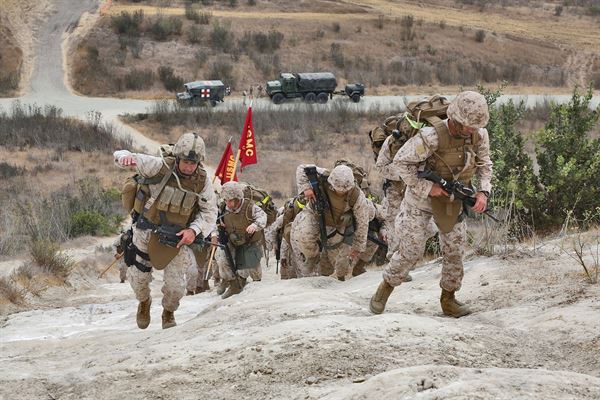
Before the MPs will open the gates, we need to consciously focus on how well we are using all of our muscles and movements in load bearing. Ramping up the weights slowly and not relying too heavily on the compensating team members. Start with primal movements and bring awareness to how you are moving.
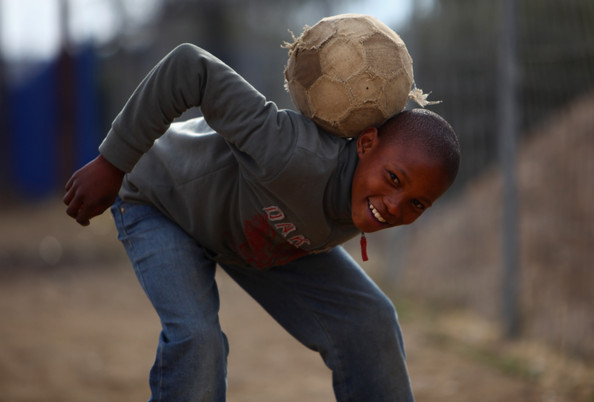
Don’t just go through the motions and expect results. Explore options and pay attention. Like when we were kids learning how to move against gravity and bear load. Tap the primal learning instincts by paying attention to how you move and how strong you feel. Even try new things – and especially functional moves – throwing, hitting and climbing. Go out and play with the kids – they are still in learning mode – the same systems that are wiring their movement the first time will rewire an adult after injury.
THE MPS WILL NOT RELEASE YOU UNTIL THEY ARE SATISFIED
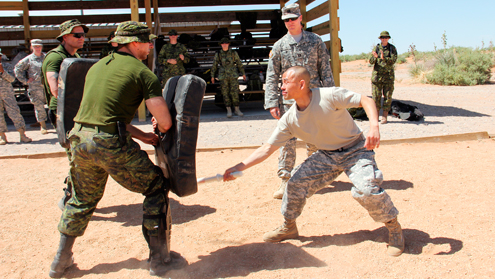
Once the body’s kinetic chain has a smooth function, the MPs are still not satisfied. A few successful coordinated primal and functional workouts will not satisfy these guys. They want massive practice repetitions. They will make you run drill after drill after drill. They want to completely rewrite muscle memory to function again. STPro Atta Boy: Hang in There. Don’t count reps. Just hang in there. Basic Re-Training isn’t any more fun the second time around than it was the first.
THEY “GOT ALL DAY”… AND ARE TRAINED STUBBORN
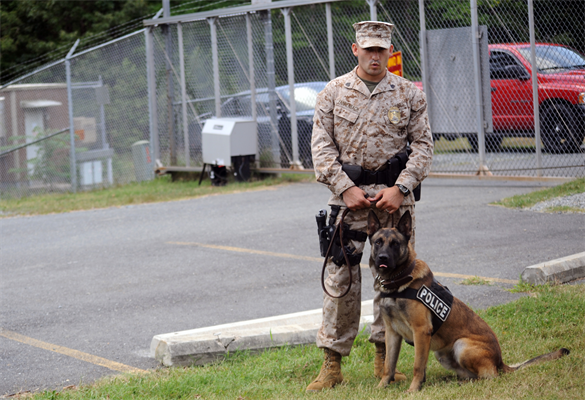
The important takeaway here: don’t believe in a false summit. Don’t even try to be patient. Just accept it. Keep in “retraining” mode for a year or so. Guarding systems are rewriting and updating muscle memory built over long periods of time. Focused commitment and consistent and repeatable practice will prevail. Eventually, the MPs will release the guarding pattern and let you pass. Keep in mind though, they have time. Plenty of time. And are not concerned with force of will or deadlines set outside of their chain of command. They answer to survival and demand repetition.
HOW TO OUTSMART THE MPS

The MPs can be distracted. They like to play games and solve puzzles. One of the best ways to rehab: play games and learn a new skill-based sport. Games and challenges kick off our instinctive neural processes that create learning. Anything with hand-eye coordination, aim, rotational movements (batting, chopping wood) and especially skills that require some balance – when done with the “Zen Beginner Mind” (not the adult mind that remembers all the old patterns that the MPs just blew away) – are most effective. You have STPro’s permission to have fun again. Play tag with the kids, try to climb a tree, practice learning how to jump onto and off of stuff, run in random directions. Laughter is all core. If you’re failing the Bird Dawg test, literally try a good belly laugh.
Try games or stunts with some manageable risk. Risk kicks off learning hormones that encourage neural pathways – and these help to appease the MPs and facilitate writing new patterns to deep muscle memory.
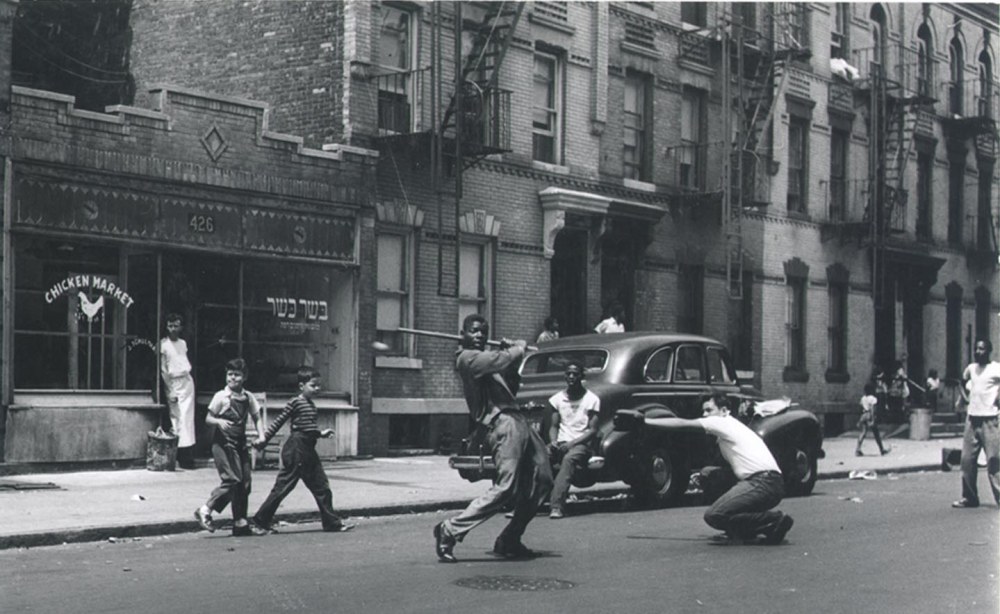
ONCE THE MPS RELEASE AND CHANGE THE GUARD
In the case of a permanent injury: carefully and deliberately make a plan of how to manage what the doctor told you not do do. Use mindful awareness of how you’re gonna do it. Because we are probably gonna do it anyway. Remember the lessons from Stage 2 – we are wired to adapt and survive. Use mindful training, practice and repetition to train a back-up plan – practice a few easy reps in bad form so your body knows what the bad form feels like — and train to not do that. Deliberate mindfulness can enable us to do amazing things – and use skill to overcome adversity.
We are wired to be healthy, adapt, survive and heal ourselves. Don’t let anyone ever tell you different – especially if they are dealing drugs. If you aren’t getting positive, healing advice from your care providers, email STPro and we can find a certified sports medicine provider or suitable practitioner in your area to assist in Stage 1 and Stage 2 recovery.
POST SCRIPT: SPECIAL NOTES FOR TYPE A’S AND RE-INJURY ISSUES
Remember to Thank your survival systems for saving you – and even being grateful to the gatekeepers.
And, there is also this weird thing called rest. STPro has actually tried it a couple times, and elusive like unicorns, it seems to have magical and mysterious healing properties.

Copyright Studio T, LLC 2016
 STPro
STPro 